Top 10 Psychological Effects You've Probably Never Heard Of
By PREYOU PROJECT
Published 2026-10-28 12:15

The human mind is far more complex than it might seem at first glance. Every day, we make hundreds of decisions without even noticing how various psychological effects influence them. Some help us survive and react quickly, while others cause us to make mistakes, overestimate our abilities, or give in to social pressure. Psychologists have been studying these phenomena for many years, and some of their discoveries are truly surprising. In this article, we'll explore ten of the strangest psychological effects that influence human thinking and behavior.
1. The Mandela Effect
You've probably experienced this more than once in your life. This phenomenon occurs when a large number of people remember an event incorrectly. The name comes from the fact that many people were convinced that Nelson Mandela had died in the 1980s, even though he actually died in 2013.
The effect demonstrates just how unreliable human memory can be. Sometimes, it can even make you question whether any of your memories are accurate.
2. The Dunning-Kruger Effect
Have you ever noticed that "fools" often don't realize they're foolish, while educated people sometimes think they're not smart enough? This is known as the Dunning-Kruger effect.
People with limited knowledge often overestimate their abilities, while professionals may actually doubt themselves. This happens because people who lack competence may not recognize their own mistakes, while educated individuals tend to be more self-critical and aware of just how much there is in the world that they don't know.
3. The Placebo Effect
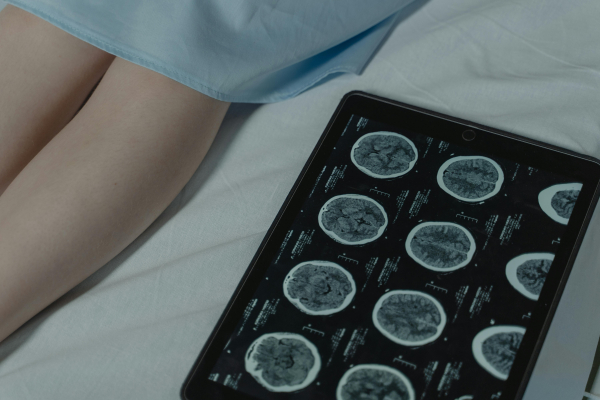
Sometimes, people experience an improvement in their condition even after taking a "dummy" pill that contains no active medication. If the brain believes a treatment will work, the body may actually respond positively.
This effect is widely used in medicine when testing new drugs. However, it can also apply to situations beyond medicine and pills — when we convince ourselves of something, believe in it, and our expectations seem to become reality. This is also connected to psychosomatic processes.
4. The Bystander Effect
The more people who witness a dangerous situation, the less likely it is that any one person will step in to help. Everyone assumes that someone else will take responsibility.
This psychological phenomenon is often observed in large cities. So, if you see a fire, it's better to call 101 (the emergency fire service number in Ukraine) yourself rather than wait for someone else to do it.
5. The Halo Effect
A positive first impression of someone influences how we judge their personality later on.
For example, people who are attractive or polite are often automatically assumed to be intelligent and kind, even without any evidence. Conversely, someone who appears untidy may continue to be perceived as irresponsible or unpleasant.
As the saying goes, "You never get a second chance to make a first impression."
6. The Déjà Vu Effect
Almost everyone has experienced the strange feeling that a particular situation has happened before.
Scientists still don't have a definitive explanation for why déjà vu occurs, but one theory suggests that it is related to how the brain processes memories.
Sometimes, the brain recognizes a similarity between the present moment and a past experience but cannot remember the earlier event precisely. As a result, it creates the illusion that the situation is repeating itself.
7. The Anchoring Effect
The first piece of information we receive strongly influences our later decisions.
For example, if a product was originally very expensive and then goes on sale, we may consider it a bargain, even if the discounted price is still too high.
Even when the original information turns out to be false, we may continue to rely on it to some extent when making future judgments.
8. Stockholm Syndrome
Sometimes, victims begin to sympathize with or even support those who have harmed them.
This reaction may develop as a result of extreme stress and a need for psychological support, warmth, or reassurance — even if it comes from the person responsible for their suffering.
Interestingly, the term originated in 1973 following a six-day hostage situation at Kreditbanken in Stockholm, Sweden.
9. The Crowd Effect
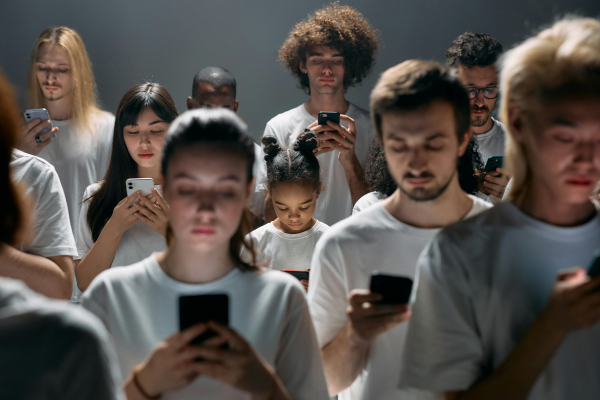
People often change their behavior under the influence of a group.
If the majority supports a particular opinion or action, others tend to agree, even when they privately believe it is wrong or dangerous.
This can be explained by the fact that, in a crowd, individuals often blend in with others and feel significantly less personal responsibility for their actions.
10. The Zeigarnik Effect
People tend to remember unfinished tasks better than completed ones.
This is because we worry more about things we haven't finished and deadlines we still need to meet. These unresolved tasks create mental tension, making them more likely to stay in our memory.
Psychological effects demonstrate that the human brain works in far more complex ways than we might imagine. Our decisions, memories, and emotions are often influenced not only by logic but also by hidden psychological mechanisms.
Learning about these phenomena helps us better understand ourselves and others, while also developing the ability to think critically about our own behavior.
References: (1) Encyclopaedia Britannica
Writers
Research
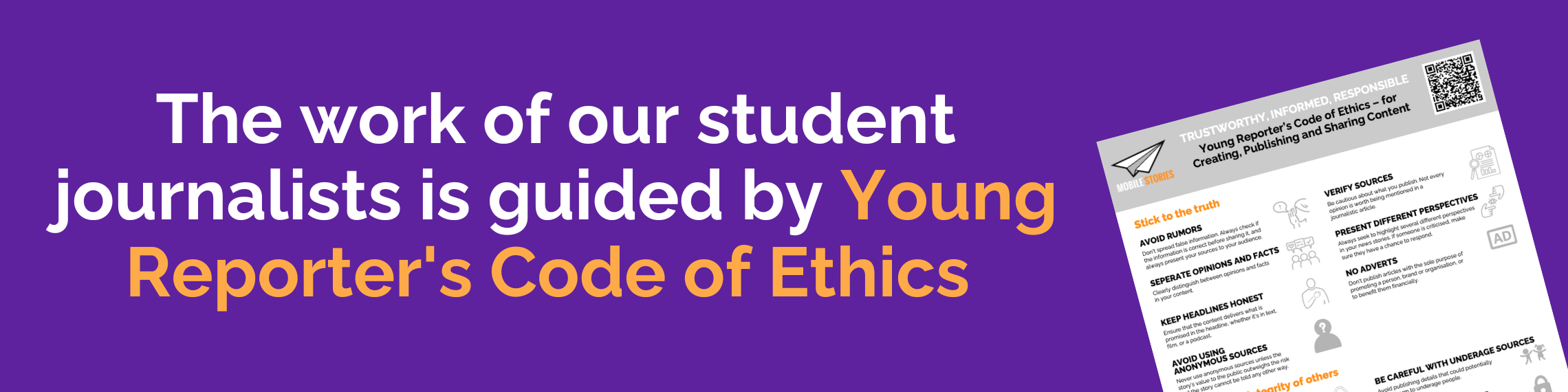
As contributors to Mobile Stories, we adhere to its editorial guidelines. This involves verifying our sources, ensuring we don't violate any copyrights, and following the Young Reporter's Code of Ethics. Find out more about Mobile Stories. Read more about the Young Reporter's Code of Ethics.
 28 Oct |
 28 Oct Pupil |
 28 Oct Pupil |
 28 Oct Pupil |
 28 Oct Pupil |
 07 Sep Pupil |
 10 Jun Pupil |
 01 Jun Pupil |
 01 Jun Pupil |
 01 Jun Pupil |
 01 Jun Pupil |
 01 Jun Pupil |
 01 Jun Pupil |
 01 Jun Pupil |
 31 May Pupil |
 31 May Pupil |
|
31 May Pupil |
 31 May Pupil |
 31 May Pupil |
 31 May Pupil |
 31 May Pupil |
 31 May Pupil |
 31 May Pupil |
 31 May Pupil |
|
28 May Pupil |
|
19 May Pupil |
|
19 May Pupil |
 19 May Pupil |
 19 May Pupil |
 19 May Pupil |
 19 May Pupil |
|
28 Oct Pupil |
|
28 Oct Pupil |
|
28 Oct Pupil |
|
28 Oct Pupil |
|
28 Oct Pupil |


 22 May |
|
31 May Pupil |
|
31 May Pupil |
|
31 May Pupil |
|
31 May Pupil |
|
31 May Pupil |
|
31 May Pupil |
|
31 May Pupil |
|
31 May Pupil |
 |
 |