Climate Change and War: A Double Blow to the Environment 2026
By PREYOU PROJECT
Published 2026-05-28 07:30
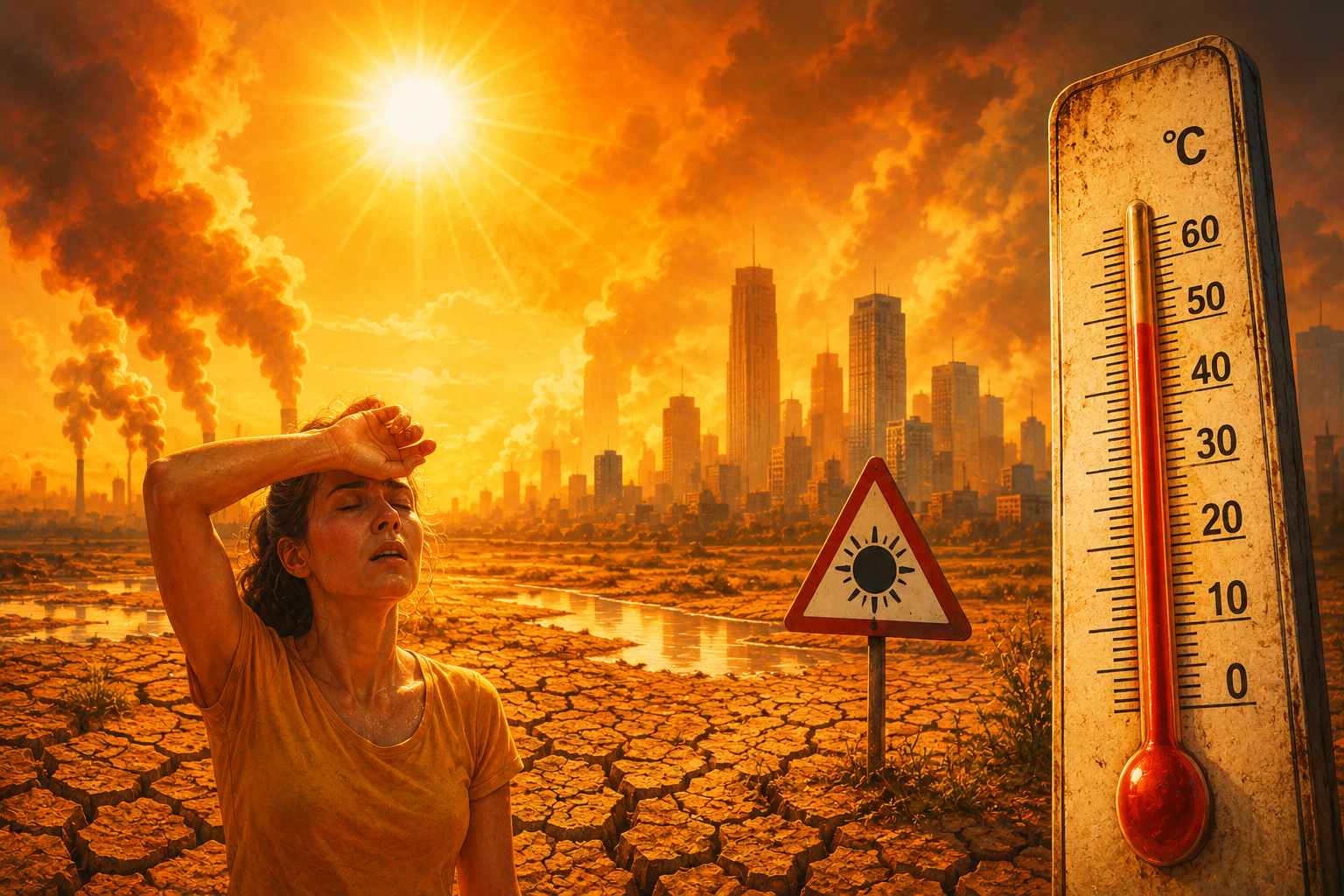
Have you noticed that summers are getting hotter? Why does it snow less frequently in winter, while the weather increasingly surprises us with storms, droughts, or sudden downpours? And isn't this a sign that nature can no longer withstand the impact of human activity?
Nature is more than just beautiful forests, rivers, and mountains; it provides us with water, food, clean air, and everything essential for life. However, by 2026, environmental problems had become so severe that they were a subject of global discussion. Human activity, pollution, and global warming are gradually altering the planet, and each of us is already feeling the consequences.
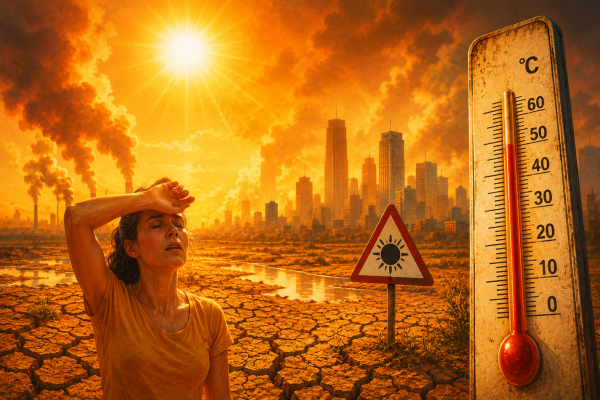
Climate change is one of the greatest challenges of our time. Scientists warn that 2026 could become the hottest year on record due to the powerful natural phenomenon El Niño, which is causing a sharp rise in global temperatures. Climatologists predict new temperature records and an increase in the frequency of natural disasters.
The effects of global warming are already clearly visible across the globe. For instance, air temperatures in Bangkok, the capital of Thailand, have remained at levels hazardous to human health since the beginning of April. While actual temperatures reach 38–40 degrees Celsius, high humidity makes the heat feel far more intense. According to the *Bangkok Post*, the heat index reached 58.7 degrees Celsius early in the month. On such days, a person's body temperature can rise to a dangerous 40 degrees after just 10–15 minutes outdoors. This illustrates the growing severity of the climate change crisis regarding human life and health.
The effects of climate change are becoming increasingly apparent in Ukraine as well. Winters are growing shorter and milder, while summers are becoming extremely hot and dry. These changes are severely impacting crop yields, water resources, and public health. Extreme heat is becoming more than just an inconvenience; It now poses a genuine threat to life.
Environmental pollution presents an equally dangerous problem. Factories, transportation, and household waste pollute the air, water, and soil on a daily basis. Plastic poses a particular threat, as it can take hundreds of years to decompose. A portion of this waste is not recycled; instead, it accumulates in landfills and poisons the environment.
The consequences of Russia’s war against Ukraine—which experts are already calling ecocide—
also demand special attention. Combat operations contaminate soil and water with hazardous chemicals such as sulfur, phosphorus, mercury, and heavy metals. These substances seep into the ground and water, rendering them unfit for use.
The war has also caused large-scale destruction of the natural environment. Over three million hectares of forest have been damaged by fires and explosions, with approximately 90% of the forest fires caused directly by hostilities. This leads to the loss of wildlife, the destruction of natural ecosystems, and the disappearance of rare plant species. Ecologists warn that the war threatens to destroy nearly 35% of Europe's biodiversity.
Landmine contamination has emerged as another major issue. Ukraine is currently one of the most heavily mined countries in the world. This poses a danger not only to people but also causes severe environmental damage, as many areas become unsuitable for safe use or restoration.
The destruction of critical infrastructure is also extremely dangerous. The destruction of the Kakhovka hydroelectric power plant has caused a massive environmental disaster: vast areas were flooded, nature reserves were destroyed, and aquatic ecosystems were disrupted. Furthermore, the occupation and shelling of nuclear power plants—particularly Zaporizhzhia—pose a constant threat of a nuclear disaster.
The war also exacerbates global climate change. Fires, explosions, the use of military equipment, and the destruction of industrial facilities lead to massive greenhouse gas emissions. Deforestation reduces nature's capacity to absorb carbon dioxide, further accelerating global warming. Environmental experts are convinced that the environmental consequences of this war will be felt for decades to come.
Despite these challenges, the world is gradually taking action. People are increasingly sorting their waste, conserving electricity and water, and reducing their excessive use of plastic. Many countries are developing renewable energy sectors and implementing environmental regulations. This offers a chance to slow the destruction of nature.
The future of the planet depends on each of us. If people remain indifferent, environmental problems will only worsen. However, even small daily actions—such as not littering, conserving resources, planting trees, or sorting waste—can make a difference. Nature cannot protect itself; it is up to us to learn to live in harmony with it. After all, the Earth is our shared home, and the kind of home it becomes for future generations depends entirely on us.
References: (1) Природа , (2) У столиці Таїланду місяць тримається екстремальна спека, що доходить до 59°C
Writers
Audio
Photo
Research
As contributors to Mobile Stories, we adhere to its editorial guidelines. This involves verifying our sources, ensuring we don't violate any copyrights, and following the Young Reporter's Code of Ethics. Find out more about Mobile Stories. Read more about the Young Reporter's Code of Ethics.
 07 Sep |
 10 Jun Pupil |
 01 Jun Pupil |
 01 Jun Pupil |
 01 Jun Pupil |
 01 Jun Pupil |
 01 Jun Pupil |
 01 Jun Pupil |
 01 Jun Pupil |
 31 May Pupil |
 31 May Pupil |
|
31 May Pupil |
 31 May Pupil |
 31 May Pupil |
 31 May Pupil |
 31 May Pupil |
 31 May Pupil |
 31 May Pupil |
 31 May Pupil |
 28 May Pupil |
|
19 May Pupil |
|
19 May Pupil |
 19 May Pupil |
 19 May Pupil |
 19 May Pupil |
 19 May Pupil |
 19 May Pupil |
 19 May Pupil |
 08 May Pupil |
 08 May Pupil |
 18 Apr Pupil |
|
07 Sep Pupil |
|
10 Jun Pupil |
|
01 Jun Pupil |
|
01 Jun Pupil |
|
01 Jun Pupil |
 01 Jun |
 01 Jun |
 01 Jun |
 31 May |

|
31 May Pupil |
|
31 May Pupil |
|
31 May Pupil |
|
31 May Pupil |
|
28 May Pupil |
|
19 May Pupil |
|
19 May Pupil |
|
19 May Pupil |
 |
 |