Heat protectant - yay or nay
By ANNA WHITLOCKS GYMNASIUM
Published 2026-05-31 19:30
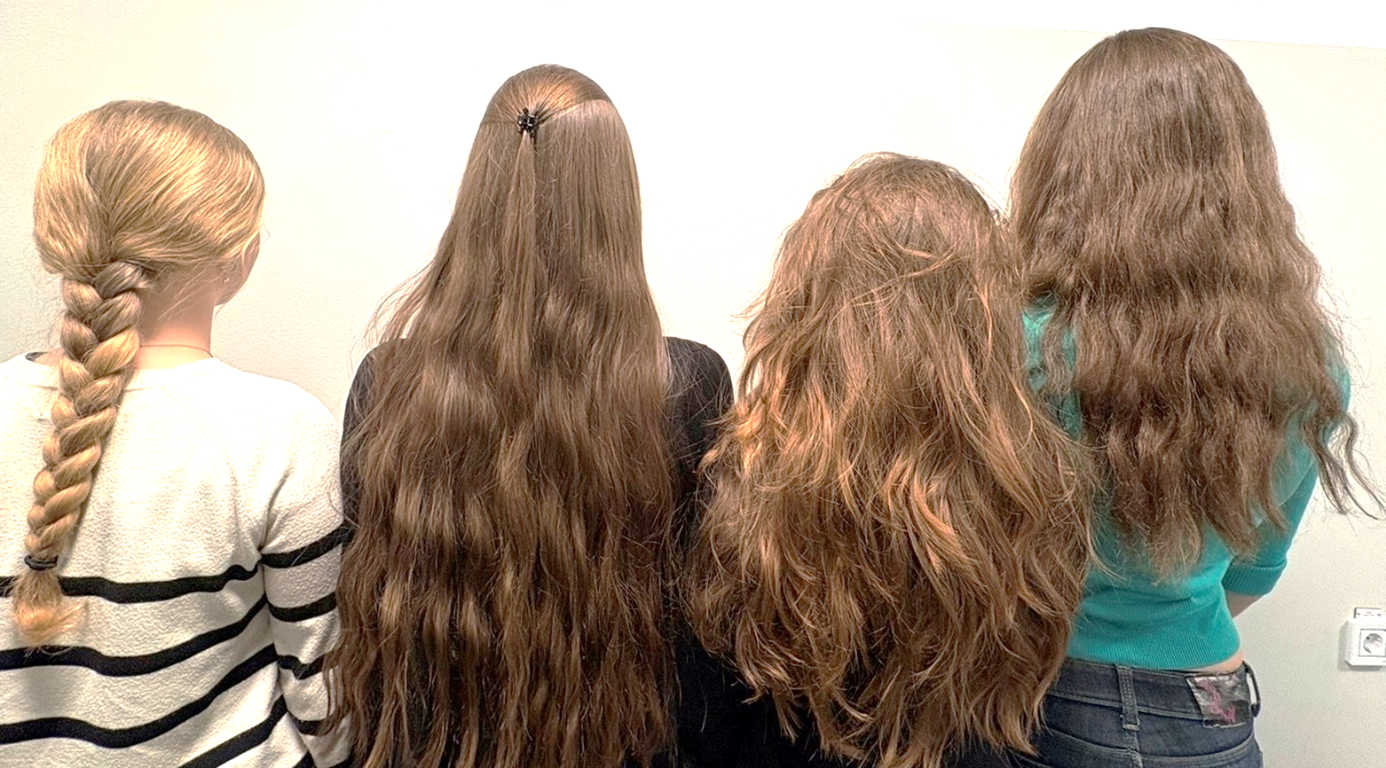
From curling, blow drying to flat ironing, heat protectant has been said to be essential for protect your hair when styling it to your preffered look. Does it really make a difference, or do companies just want to earn money?
In this article we will investigate whether heat protectants really make a difference when styling hair with heat. To figure this out, we are interviewing people who often use heat to see their perspective and view their opinion on the theme. Also, we will do a laboratory experiment with real hair to see how it is affected under high heat, with and without heat protectant. Stay tuned for the results and see if you can throw away that protectant!
To get an wider understanding of how people who often syle their hair with heat, we decided to interview them! Our idea was to get an undertanding of how much people think about how heat styling affects their hair, and to see how far they are willing to go in order to keep their hair healthy. In our study we asked people with textured hair to answer a couple of questions about their haircare and habits. First of we have two of our friends, Filippa and Nelly answering the questions:
-How often do you use heat protectant on your hair? Would you recommend using it?
Filippa: "I would say I use it every other time I straighten my hair. I would recommend it because it protects the hair and makes it heathier."
Nelly: "Always. Whenever I've washed my hair, I straighten it afterwards so that's two times a week. I think it does a good job protecting your hair and also it smells good."
-What brand of heat protectant do you use? How much does it cost?
Filippa: "I don't really know the brand name, but it's very cheap, about 100 SEK".
Nelly: "The brand is called Ida Warg. It's the orange- colored bottle that is popular now in Stockholm. I would say that it costs like 130 to 150 SEK."
-Have you ever tried to style your hair without heat? How?
Filippa: "Yes, I have tried to style my hair with different methods like healtless curls. I have curly hair so it's a bit difficult to get good results all the time. Often you need to have straight hair from the beginning and then use some sort of rod to curl the hair. I often end up with a mess!"
Nelly: "I have tried to get curls by wraping my hair around the belt from a bathrobe. I would say it does work and I often get good results. However, it gives me a lot of frizz and puffiness at the top of my head. Don't forget it's also uncomfortabe to sleep with!"
Now we know a little about nowadays use of both heat and heat protectant on hair - but how did it play out 10 years ago? We interviewed my mom to get her perspective:
-How long ago and for what period of time did you use heat on your hair regularly?
Elinor (mom): " I used heat regulary about 12 years ago for a period of 10 years."
-How often and what peotectant brand did you use on your hair?
Elinor: "I used protectant every time i used heat, so almost everyday. I applied a spray from Loreal which was called something like "Heat killer", it costes 39 SEK. Later, I got one from Paul Mitchels which costed 200 SEK."
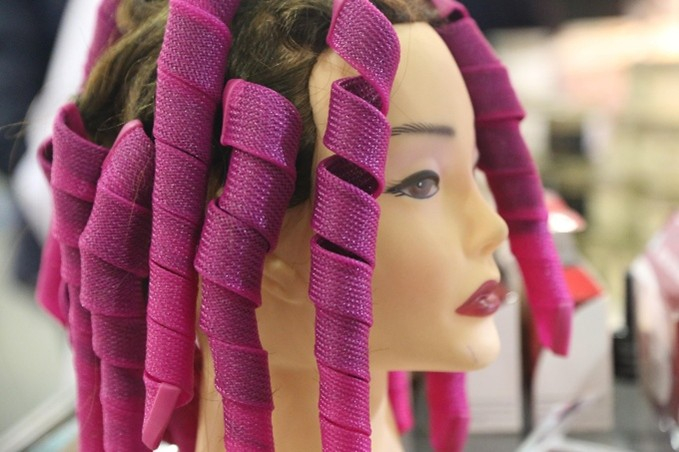 Heatless curls. Image: Pixabay.
-Did you see any difference between those?
Elinor: "No, not really. The first one was like a cream you applied to the hair and the second one was a spray."
-So, would you recommend using a heat protectant? why?
Elinor: "Yes, because it protects the hair fibers from direct heat and prevents hair- and color loss."
-Where did you learn that from? A social platform?
Elinor: "From my friend who's a hairdresser and sometimes cut and colored my hair.
The people we interviewed seem to agree about heat protectants helping to prevent damage caused by styling tools. Research shows that heat exposure can damage the outer layer of the hair, making it weaker and fragile. This is because hair is mostly made from proteins and inside those proteins are hydrogen bonds. Hydrogen bonds are what makes the shape of your strands (curly or straight). When you heat up the proteins the hydrogen bonds gets weaker and the strands get easier to re-shape. To prevent that damage, heat protectants are designed to create a barrier around the hair strands to protect them. An example of a ingredient you can look for is silicone; it is one of the most common ingredient that sticks to the hair and creates a layer around the strand.
However, we wanted to investigate whether two different protectants will have a visible difference on the strands when they are exposed to heat. Therefore, we did an experiment where hair samples were examined under a microscope after being exposed to heat, both with and without protectant.
To ensure that all the tests had the same conditions, we took the hair from the same person and used a hair straightener on 230 degrees celcius to see a visible effect. We also straightned each hair piece 10 times to have fair conditions. View our picture slide further down for pictures from the study!
First, we picked out a piece of hair strands and put them under the microscope to see how they looked before applying any heat. We made sure that the hair we used hadn't been exposed to heat in a very long time. In the pictures below we see that the hair is healthy, without any breakage or splitted strands.
Now, this is very different when we compare it to the next test where we used heat without applying any protection. In the pictures, especially the last one, we can clearly state that the hair texture almost looks like it has been melted. The shape also looks spikier than before which shows that the hydrogen bonds are affected.
To the real test, we first off applied the "Olaplex no.7 bonding oil" protection to the hair piece. This is a very expensive brand compared to others, considering you only get 30 ml for 300 SEK. This didn't give us any shocking results; it looked very similar to the non-heated hair. On the other hand, we can see a form of breakage in the last picture. Notice that this could have been created before the study where we applied heat.
For the last step, we applied the "Got2Be Guardian Angel" protectant to the last piece. This is a cheaper version of protectant and doesn't cost more than 70 SEK. Now, we see an clear difference between the tests. Even though the strands doesn't look like they have melted, you can see the hair breaking off and changing shape. In the third picture you can also see one strand in the middle that has started to get those "melting marks".
In conclusion we have studied people's views on heat styling and whether a protectant is needed. Due to our study, we can see that a pricier heat protectant really does an amazing job at protecting hair from damage in comparison to a cheaper one. So, to answer the question: Yes! A protectant makes a big impact on how damaged your hair gets when styled with heat. We recommend you investing in a good protectant, even if it costs a bit more - it has been shown to make a difference!
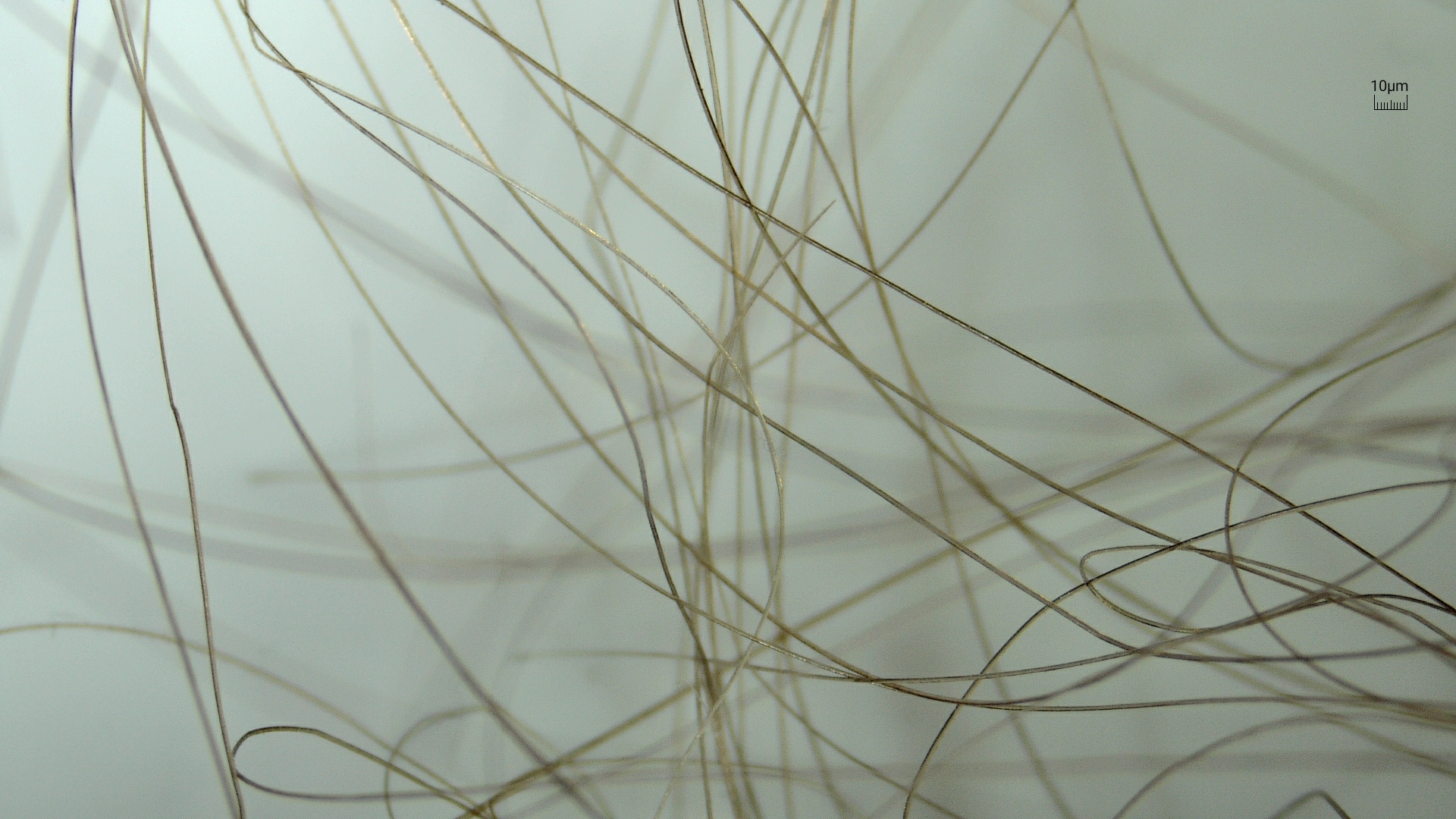 Hair strand without heat 1/2. Image: Malva Bernalt.
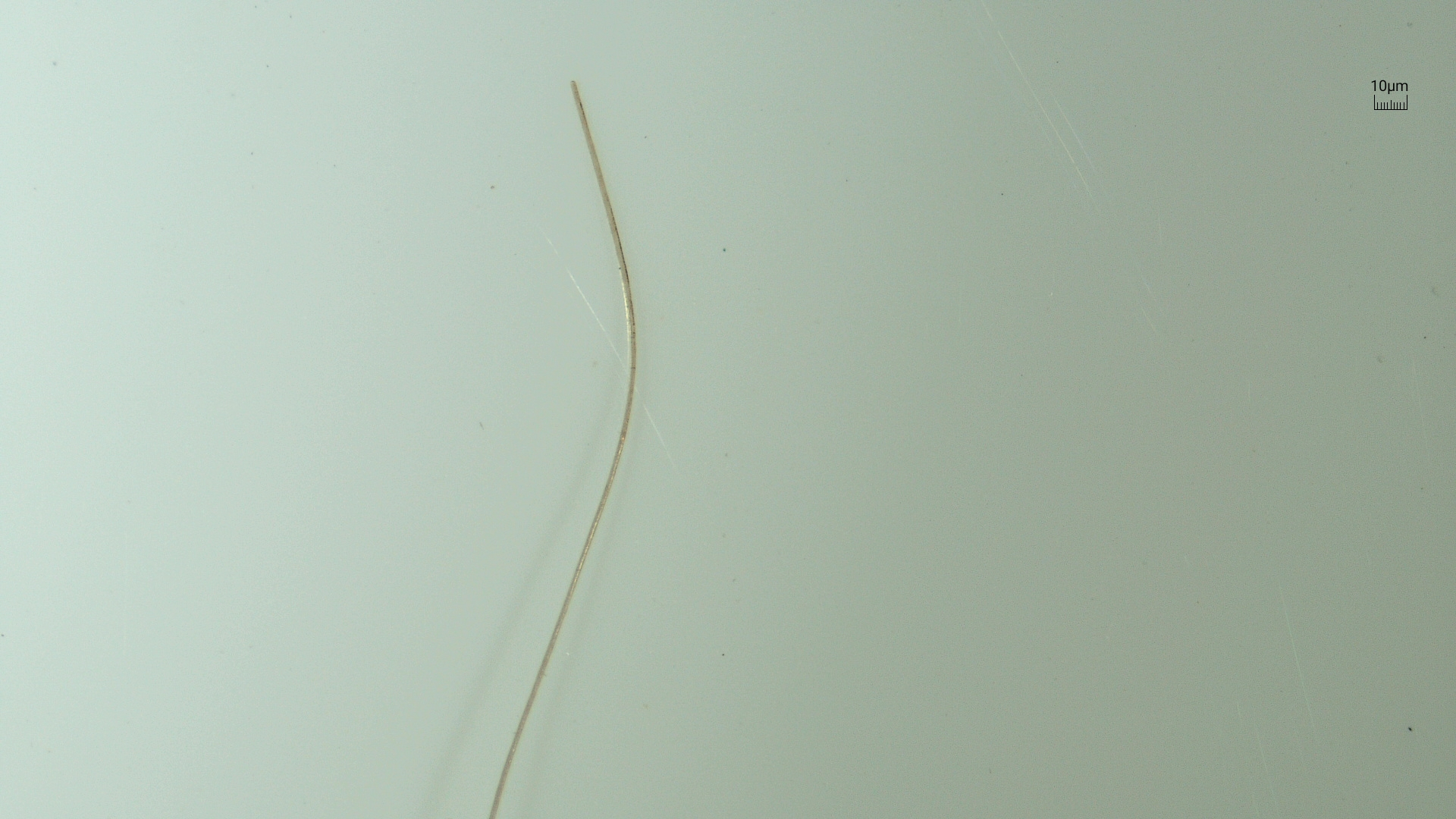 Hair stand without heat 2/2. Image: Malva Bernalt.
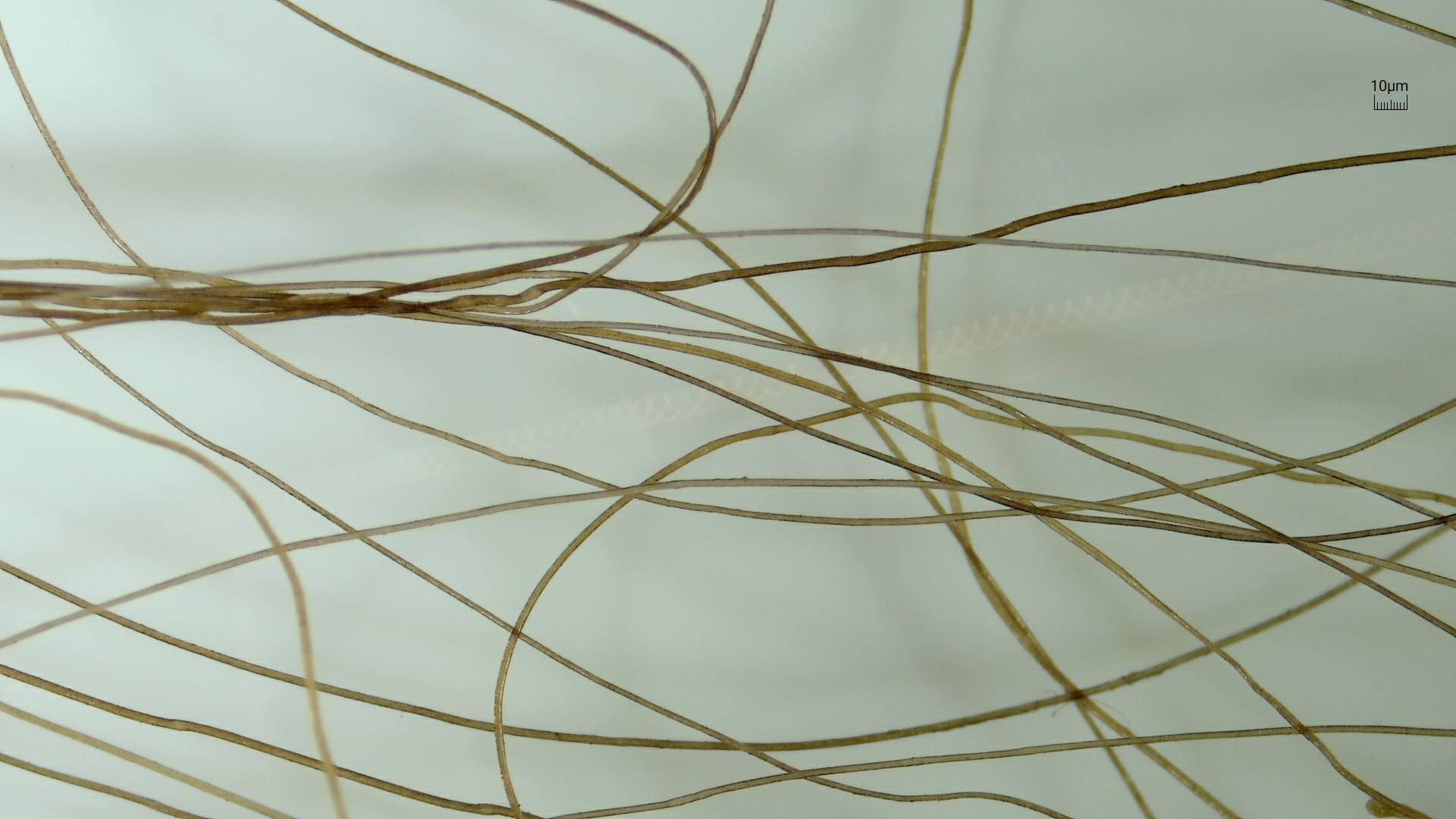 Hair with heat, no protectant 1/2. Image: Malva Bernalt.
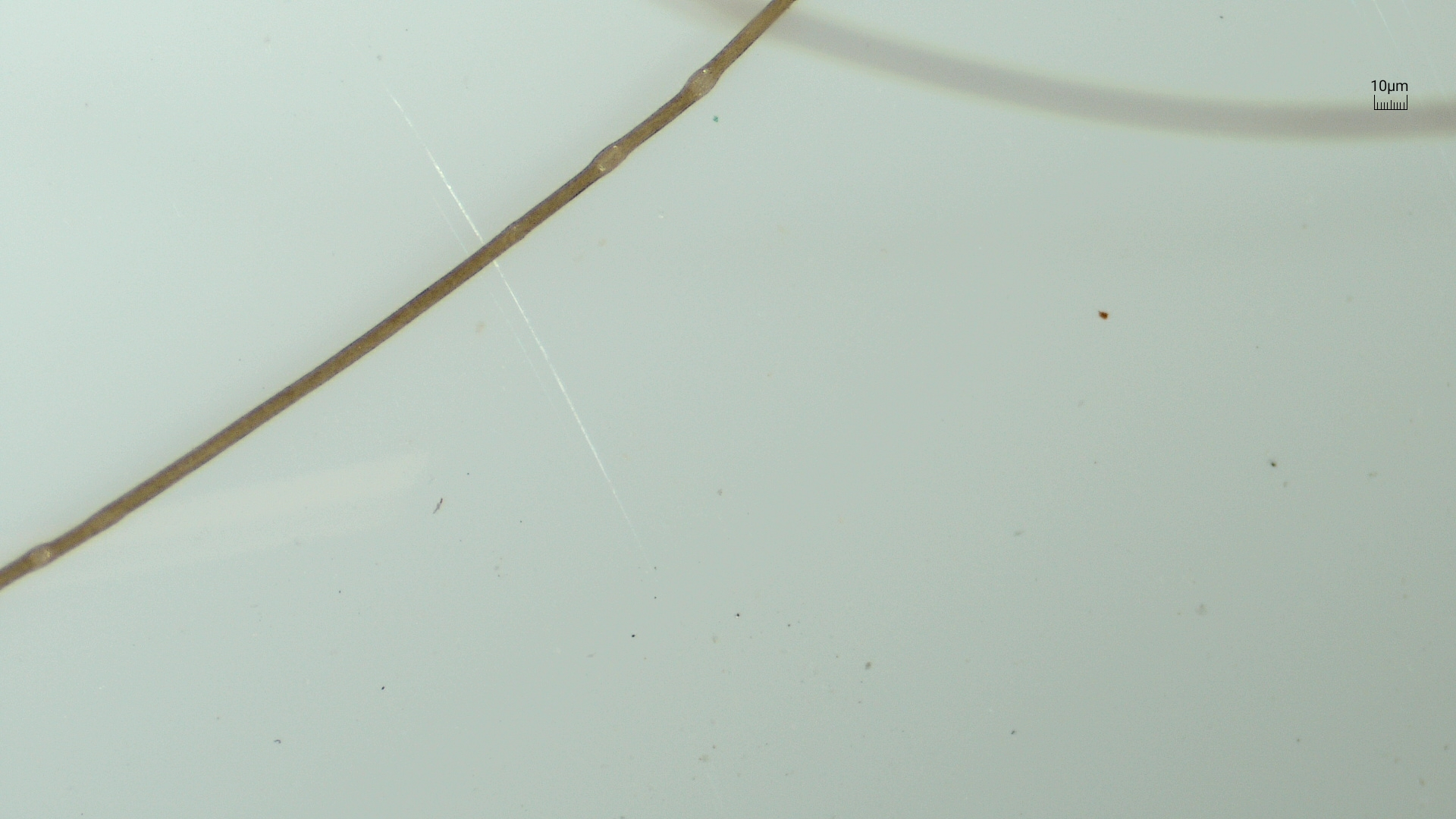 Hair with heat, no protectant 2/2. Image: Malva Bernalt.
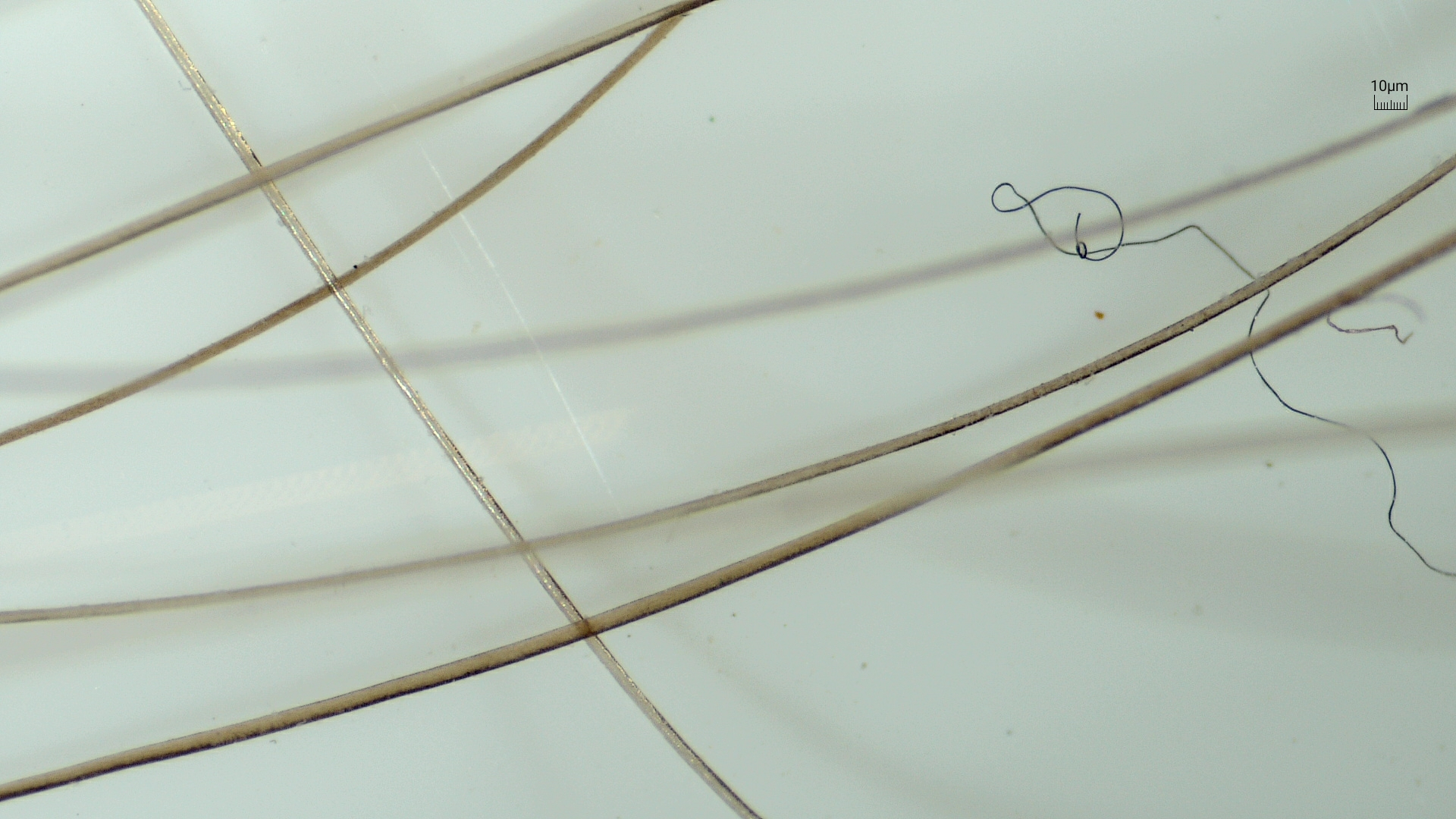 Hair strand with heat, Protectant: Olaplex Bonding Oil 1/3. Image: Malva Bernalt.
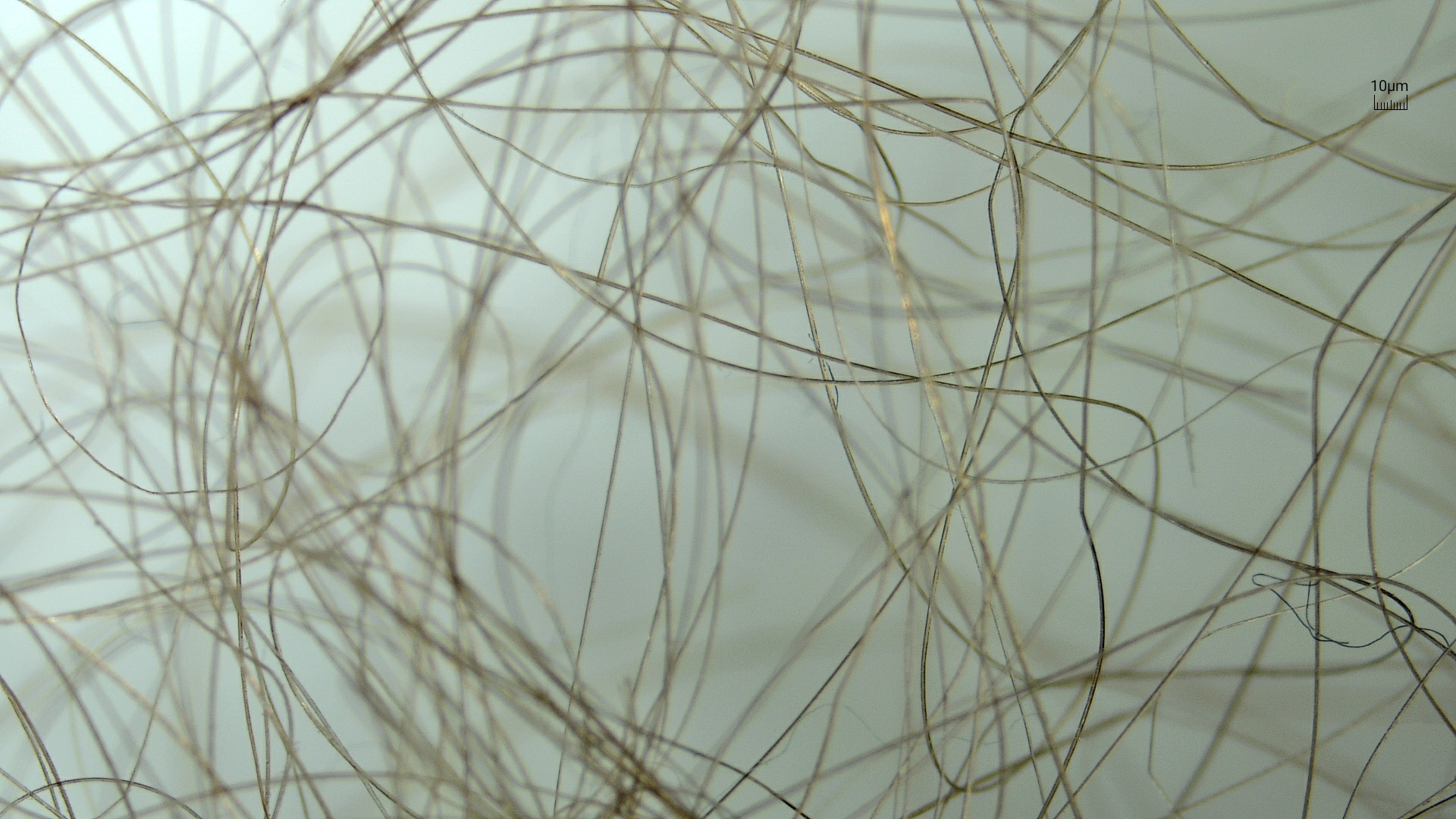 Hair stand with heat, protectant: Olaplex Bonding Oil 2/3. Image: Malva Bernalt.
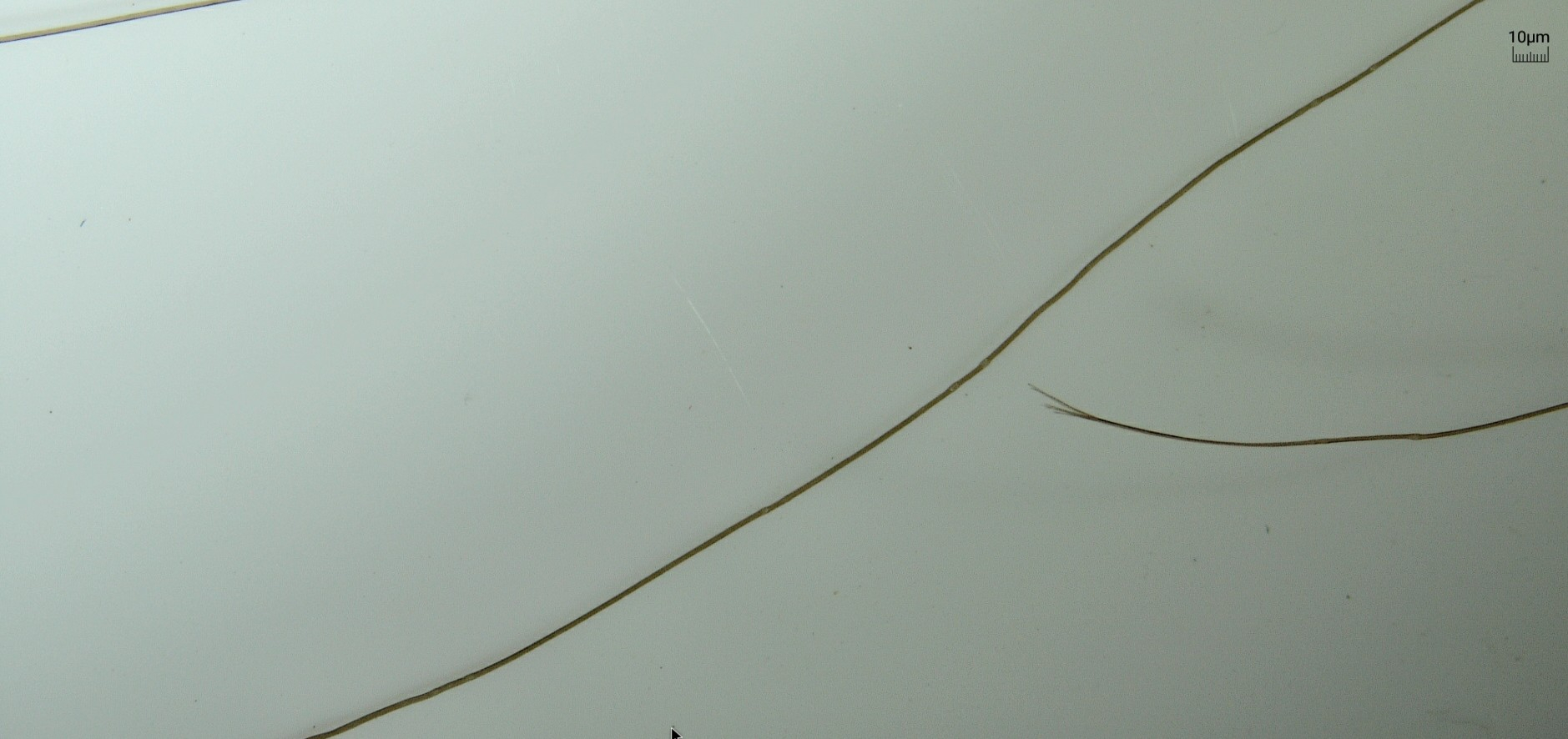 Hair stand with heat, protectant: Olaplex Bonding Oil 3/3. Image: Malva Bernalt.
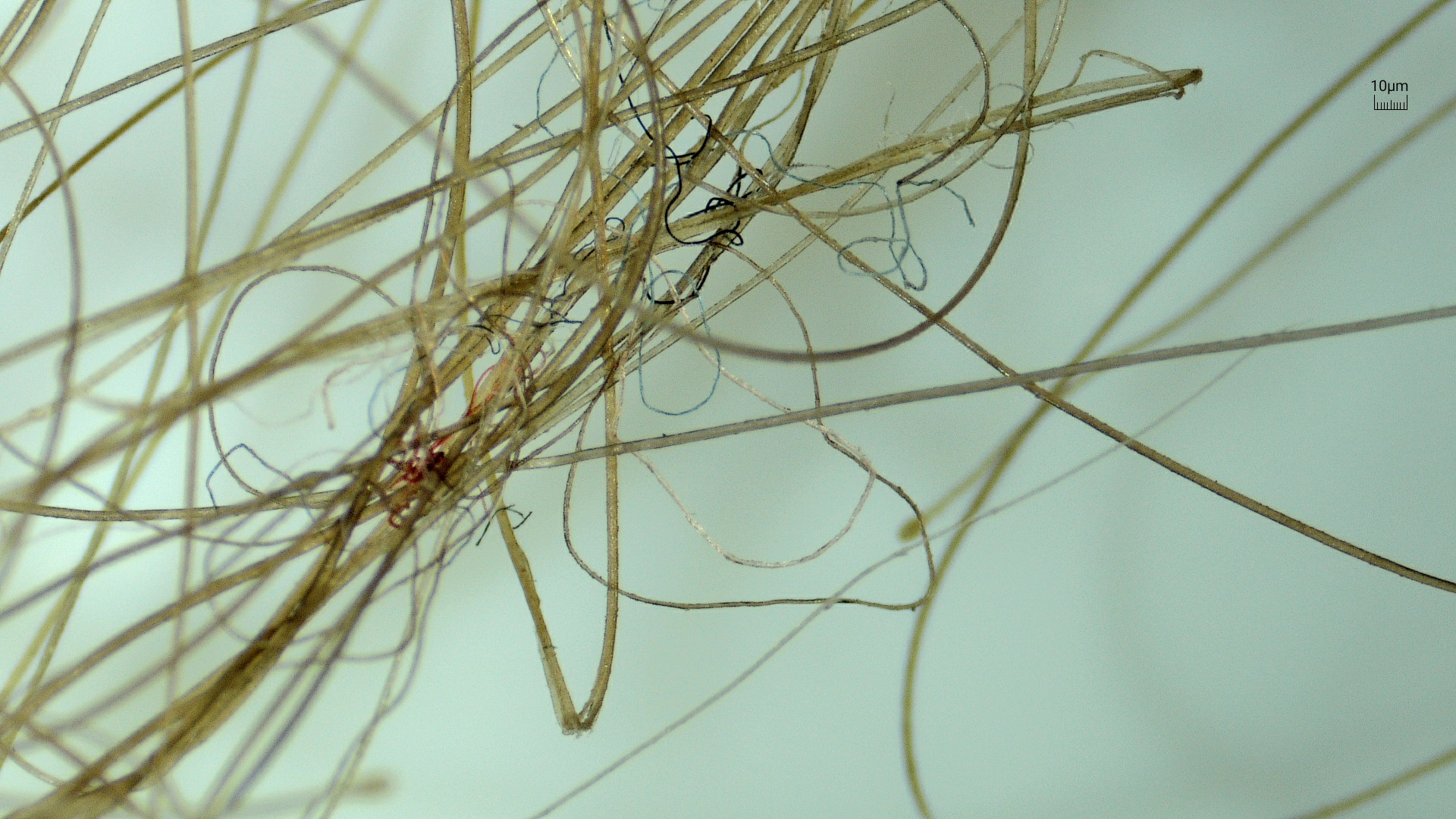 Hair stand with heat, protectant: Got2Be Guardian Angel 1/4. Image: Malva Bernalt.
 Hair strand with heat, protectant: Got2Be Guardian Angel 2/4. Image: Malva Bernalt.
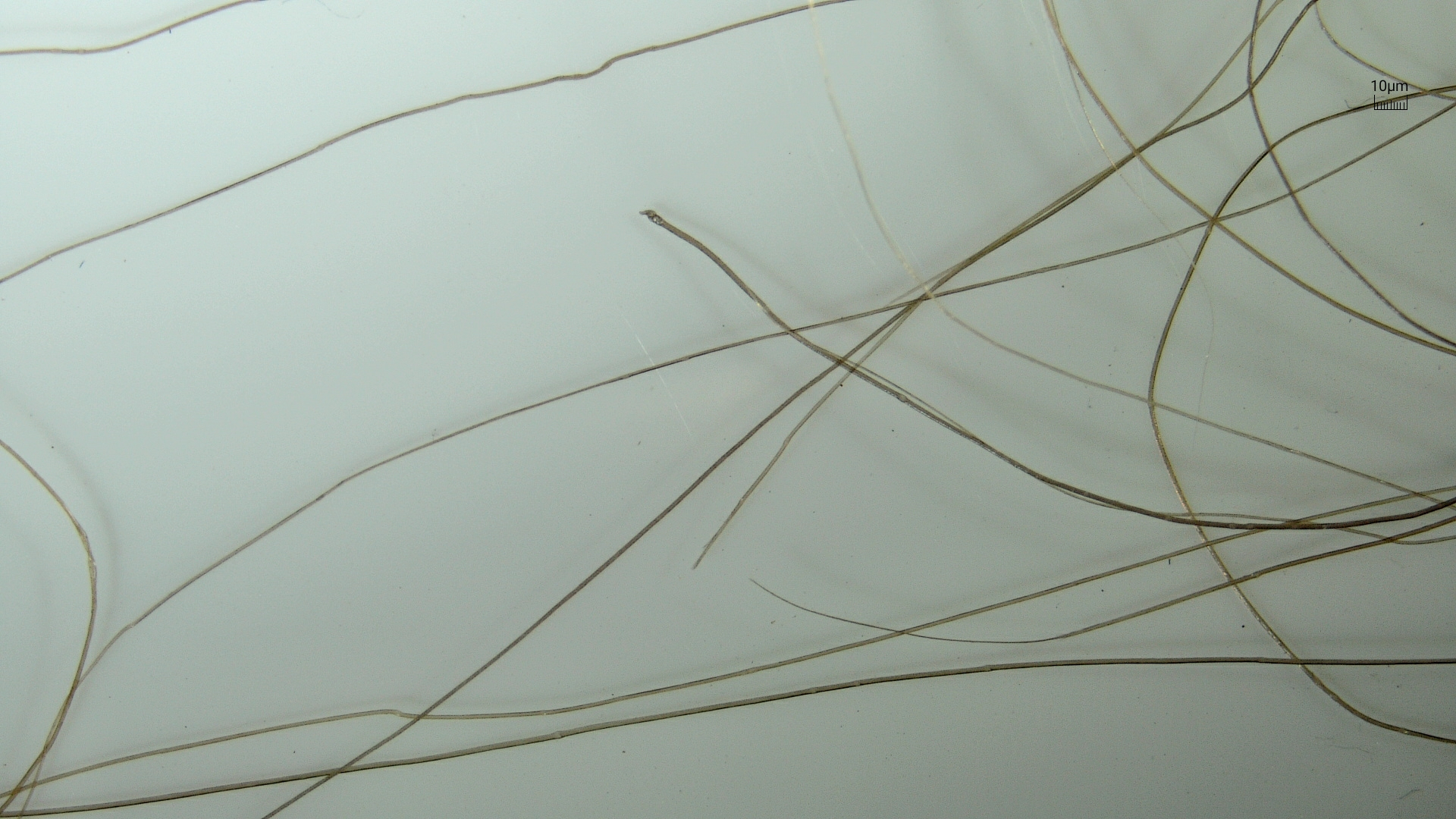 Hair strand with heat, protectant: Got2Be Guardian Angel 3/4. Image: Malva Bernalt.
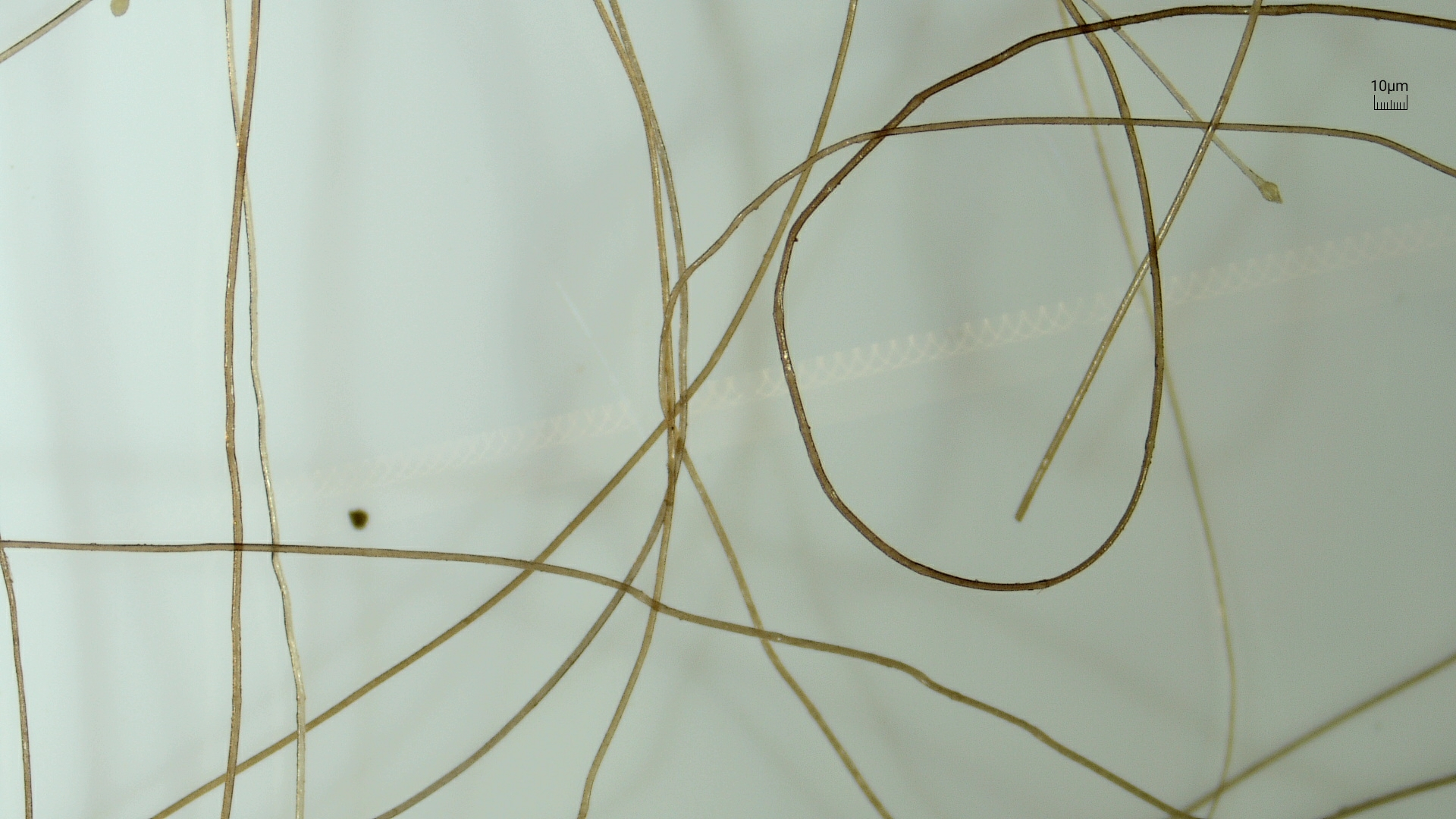 Hair strand with heat, protectant: Got2Be Guardian Angel 4/4. Image: Malva Bernalt.
References: (1) HairCode, (2) THE CONVERSATION
Writers
Photo
Research
As contributors to Mobile Stories, we adhere to its editorial guidelines. This involves verifying our sources, ensuring we don't violate any copyrights, and following the Young Reporter's Code of Ethics. Find out more about Mobile Stories. Read more about the Young Reporter's Code of Ethics.
 07 Sep |
 10 Jun Pupil |
 01 Jun Pupil |
 01 Jun Pupil |
 01 Jun Pupil |
 01 Jun Pupil |
 01 Jun Pupil |
 01 Jun Pupil |
 01 Jun Pupil |
 31 May Pupil |
 31 May Pupil |
|
31 May Pupil |
 31 May Pupil |
 31 May Pupil |
 31 May Pupil |
 31 May Pupil |
 31 May Pupil |
 31 May Pupil |
 31 May Pupil |
 28 May Pupil |
|
19 May Pupil |
|
19 May Pupil |
 19 May Pupil |
 19 May Pupil |
 19 May Pupil |
 19 May Pupil |
 19 May Pupil |
 19 May Pupil |
 08 May Pupil |
 08 May Pupil |
 18 Apr Pupil |
|
07 Sep Pupil |
|
10 Jun Pupil |
|
01 Jun Pupil |
|
01 Jun Pupil |
|
01 Jun Pupil |
 01 Jun |
 01 Jun |
 01 Jun |
 31 May |
 22 May |
|
31 May Pupil |
|
31 May Pupil |
|
31 May Pupil |
|
31 May Pupil |
|
28 May Pupil |
|
19 May Pupil |
|
19 May Pupil |
|
19 May Pupil |
 |
 |