How glorification of productivity shapes women's lives
By ANNA WHITLOCKS GYMNASIUM
Published 2026-05-31 19:15
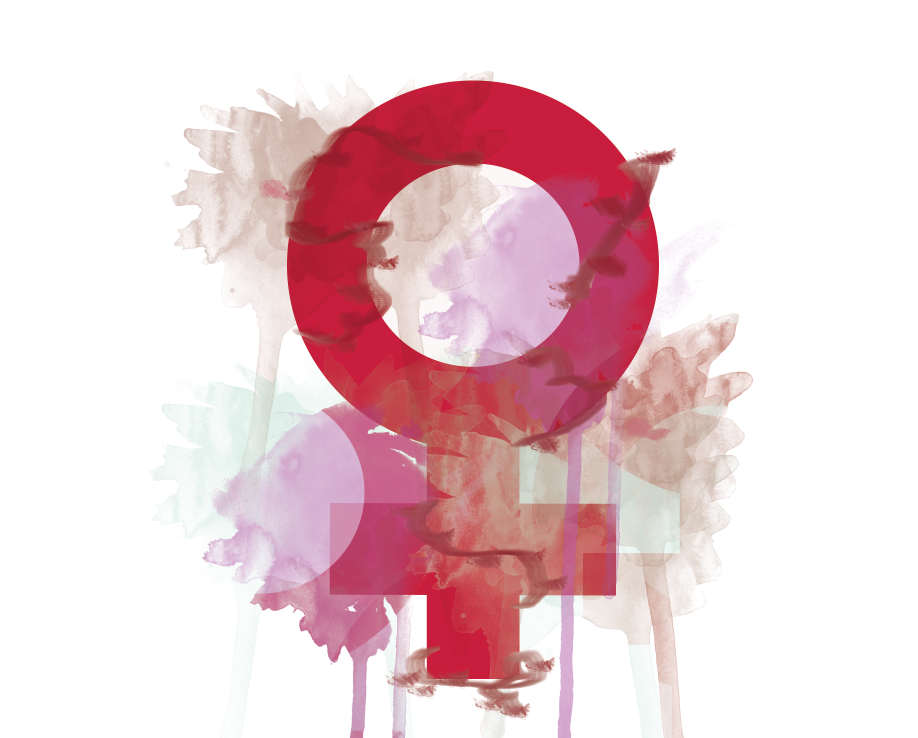
Constant deadlines and early mornings make school stressful for everyone. As women, we go through hormonal changes each month that makes it even harder to always be productive. What if we aren’t weak, but simply work differently? It’s time to take a look under the surface of this.
The morning is early and I’m sitting bent over the schoolbook, head in my hands. I try to focus, but my brain seems to work at the speed of a snail. I know this time of the month very well. My whole body feels heavy and my stomach aches, but that doesn’t seem to matter - I still have to do all my work and somehow look happy while I do it. This is a struggle shared by most women. Why is it that everyday must follow the same schedule, when our bodies don’t? The pressure on women to function the same way every day is neither sustainable nor realistic, and I really do wonder if it is all our fault.
Stress, deadlines and the feeling that you need to be productive all the time are things most students can relate to. There is always something more to do, and you never feel fully done. Personally, I find it hard to balance schoolwork with all the other things I want to do, such as spend time on hobbies, exercise and be with my friends. Adding the bodily changes women go through every month, it’s even harder to stay consistent and manage everything you need to do.
But let us take it from the beginning. As humans, a lot of our changes in mood, digestion and energy actually has its source in hormones. Men have a hormonal cycle stretching over 24 hours, and the hormone that fluctuates is testosterone. The level of testosterone is highest in the morning and flattens out during the day to drop rapidly in the night. Testosterone regulates the mood and energy, so that you feel energized and productive during the day and tired during the night. With this in mind, our present school system is perfect. Right?
Well, it would be. If everyone were men.
Because on the other side of this, women are struggling to fit into a societal system that was never built for their needs. While men's hormones change during a period of 24 hours, women's hormonal cycle is closer to 24 days. The most prominent hormones that fluctuate are estrogen and progesterone. During the menstrual phase, estrogen and progesterone levels are at their lowest. This leads to lower levels of serotonin, which affects the mood, sleep and appetite. Following the menstrual phase comes the follicular phase, with rising levels of estrogen and thereby heightened focus and improved mood. The level of estrogen reaches its peak during ovulation, to drop when the luteal phase begins. Now, the progesterone levels are rising, while the levels of estrogen keeps getting lower until the menstrual phase begins again, with low levels of both estrogen and progesterone.
Accordingly, there is a lot going on in the female body that isn’t visible, and most importantly – it’s not the same throughout the month. Adding the differences that each woman experience, there surely is no system that fits all.
 Illustration of the male and female hormone cycle. Image: Ella Henry.
I'm sure that a lot of you can relate to feeling like you're failing or falling behind at different stages of you're menstrual cycle, whether it is feeling less productive than usual, being in pain, finding it hard to focus or experiencing something else that is challenging. But what if this could be different? I got to do an interview with Carina Lundberg, principal of Anna Whitlocks Gymnasium (Stockholm, Sweden), the school that I attend. After asking her about how the schedules for all the students are planned, I learned that the idea is to give us as much freedom as possible, with long lessons and focus on open feedback rather than a lot of small, graded assignements. She did however put forward that she didn’t see it as realistic to have a more individualized schedule in such a big school; there are a lot of students, and if everyone decided to be in school at the same time it would be extremely overcrowded. If the classes were smaller, it might be possible to start school even later and to be able to choose how you want to spend your time, though. I take that with me as a bit of hope.
Because I believe there could be another way to do this. For example, exams could be free to take whenever you want within a two weeks ratio. The schoolwork, like homework and assignements, could also be spread out during the month so that you can work more when you have a lot of energy, and vice versa.
I look up from the schoolbook and take a deep breath. Maybe I don’t have to push through right now. I trust that I will feel more productive another time. But it’s hard to listen to your body in a society where everything spins faster, and it’s not fair to expect women to be like machines. You might as well force a man to wake up at 2 am in the morning and get ready for work – it’s wrong to push anyone to go against your natural cycle like that.
A woman can do anything a man can do, and more. But that doesn’t mean she has to do it in the exact same way. It’s time to stop draining the life out of the people who provide and give life – women.
References: (1) Britannica
Writers
As contributors to Mobile Stories, we adhere to its editorial guidelines. This involves verifying our sources, ensuring we don't violate any copyrights, and following the Young Reporter's Code of Ethics. Find out more about Mobile Stories. Read more about the Young Reporter's Code of Ethics.
 07 Sep |
 10 Jun Pupil |
 01 Jun Pupil |
 01 Jun Pupil |
 01 Jun Pupil |
 01 Jun Pupil |
 01 Jun Pupil |
 01 Jun Pupil |
 01 Jun Pupil |
 31 May Pupil |
 31 May Pupil |
|
31 May Pupil |
 31 May Pupil |
 31 May Pupil |
 31 May Pupil |
 31 May Pupil |
 31 May Pupil |
 31 May Pupil |
 31 May Pupil |
 28 May Pupil |
|
19 May Pupil |
|
19 May Pupil |
 19 May Pupil |
 19 May Pupil |
 19 May Pupil |
 19 May Pupil |
 19 May Pupil |
 19 May Pupil |
 08 May Pupil |
 08 May Pupil |
 18 Apr Pupil |
|
07 Sep Pupil |
|
10 Jun Pupil |
|
01 Jun Pupil |
|
01 Jun Pupil |
|
01 Jun Pupil |
 01 Jun |
 01 Jun |
 01 Jun |
 31 May |
 22 May |
|
31 May Pupil |
|
31 May Pupil |
|
31 May Pupil |
|
31 May Pupil |
|
28 May Pupil |
|
19 May Pupil |
|
19 May Pupil |
|
19 May Pupil |
 |
 |