False information on the internet and how to prevent disinformation.
By LICEUL TEORETIC TEIUș
Published 2025-12-15 17:15
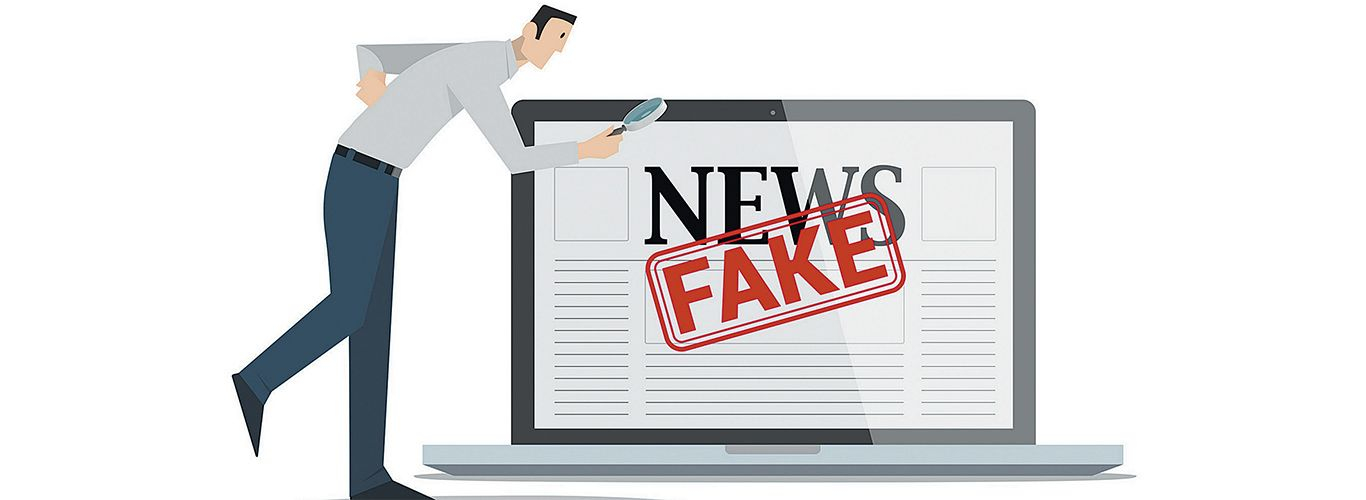
False information on the internet spreads quickly and can have serious consequences. Check sources, pay attention to the tone and format of information, and consult multiple sources to ensure accuracy.To verify information online, check the source of the information, look for evidence and data, compare the information with other sources, and pay attention to the tone and format of the information.
Many articles that appear on social media can lead to disinformation of people. Typically, these articles can seem credible due to the use of captivating titles or images taken out of context. It’s important to be careful when we are trying to search something on the Internet and to choose what we think is truly safe.
For example, disinformation targets catchy subjects, such as health or politics, spreading news that are untrue. Some clear cases can be the articles during the coronavirus pandemic (known as Covid-19 pandemic) that were often false, leading to misleading information and making people believe something that is unlikely to be accurate and safe.
At the same time, disinformation can be prevented. To achieve this, we need to verify our sources, to ensure that the information comes from credible origins, which are provided by experienced people in the field. It is recommended, if we want to search something on the Internet, to check multiples sites/articles and not to choose the first one that pops up. Why? Because some information can be false. Knowing how and what to search on the Internet can be beneficial for our knowledge.
Additionally, we can use platforms to verify authenticity of information and the accuracy of the article.
Fake news has become a major problem in the digital age, damaging public trust, influencing elections, and promoting misconceptions. It is crucial to understand what fake news is and take steps to prevent it.
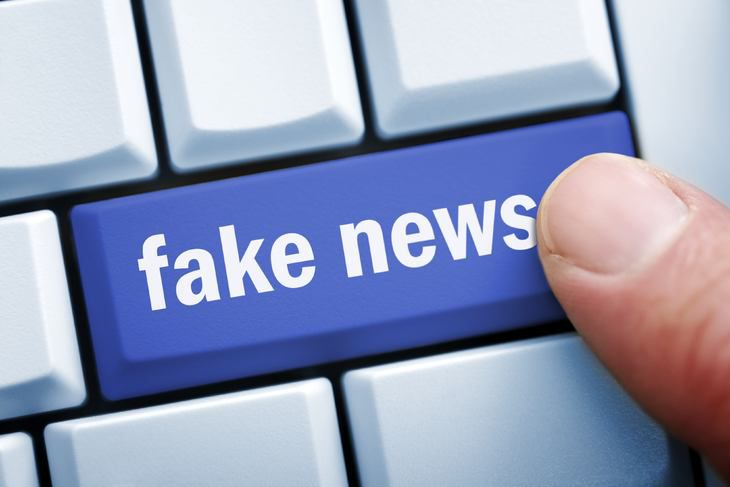 False information. Image: Aldea Antonia.
Fake news refers to false or misleading information that is spread online. It can include fake news, conspiracy theories, propaganda, and manipulated content. Its purpose is to mislead people, influence public opinion, or generate profits.
To prevent the spread of fake news, it is important to verify the sources of information, pay attention to the tone and format of the information, and consult multiple sources to ensure accuracy. It is also important to be critical of what we read and ask whether the information is credible.
References: (1) Own source
Writers
Audio
Photo
Research
Video
As contributors to Mobile Stories, we adhere to its editorial guidelines. This involves verifying our sources, ensuring we don't violate any copyrights, and following the Young Reporter's Code of Ethics. Find out more about Mobile Stories. Read more about the Young Reporter's Code of Ethics.
 07 Sep |
 10 Jun Pupil |
 01 Jun Pupil |
 01 Jun Pupil |
 01 Jun Pupil |
 01 Jun Pupil |
 01 Jun Pupil |
 01 Jun Pupil |
 01 Jun Pupil |
 31 May Pupil |
 31 May Pupil |
|
31 May Pupil |
 31 May Pupil |
 31 May Pupil |
 31 May Pupil |
 31 May Pupil |
 31 May Pupil |
 31 May Pupil |
 31 May Pupil |
 28 May Pupil |
|
19 May Pupil |
|
19 May Pupil |
 19 May Pupil |
 19 May Pupil |
 19 May Pupil |
 19 May Pupil |
 19 May Pupil |
 19 May Pupil |
 08 May Pupil |
 08 May Pupil |
 18 Apr Pupil |
|
07 Sep Pupil |
|
10 Jun Pupil |
|
01 Jun Pupil |
|
01 Jun Pupil |
|
01 Jun Pupil |
 01 Jun |
 01 Jun |
 01 Jun |
 31 May |
 22 May |
|
31 May Pupil |
|
31 May Pupil |
|
31 May Pupil |
|
31 May Pupil |
|
28 May Pupil |
|
19 May Pupil |
|
19 May Pupil |
|
19 May Pupil |
 |
 |