Housing nostalgia
By ANNA WHITLOCKS GYMNASIUM
Published 2026-06-01 13:23
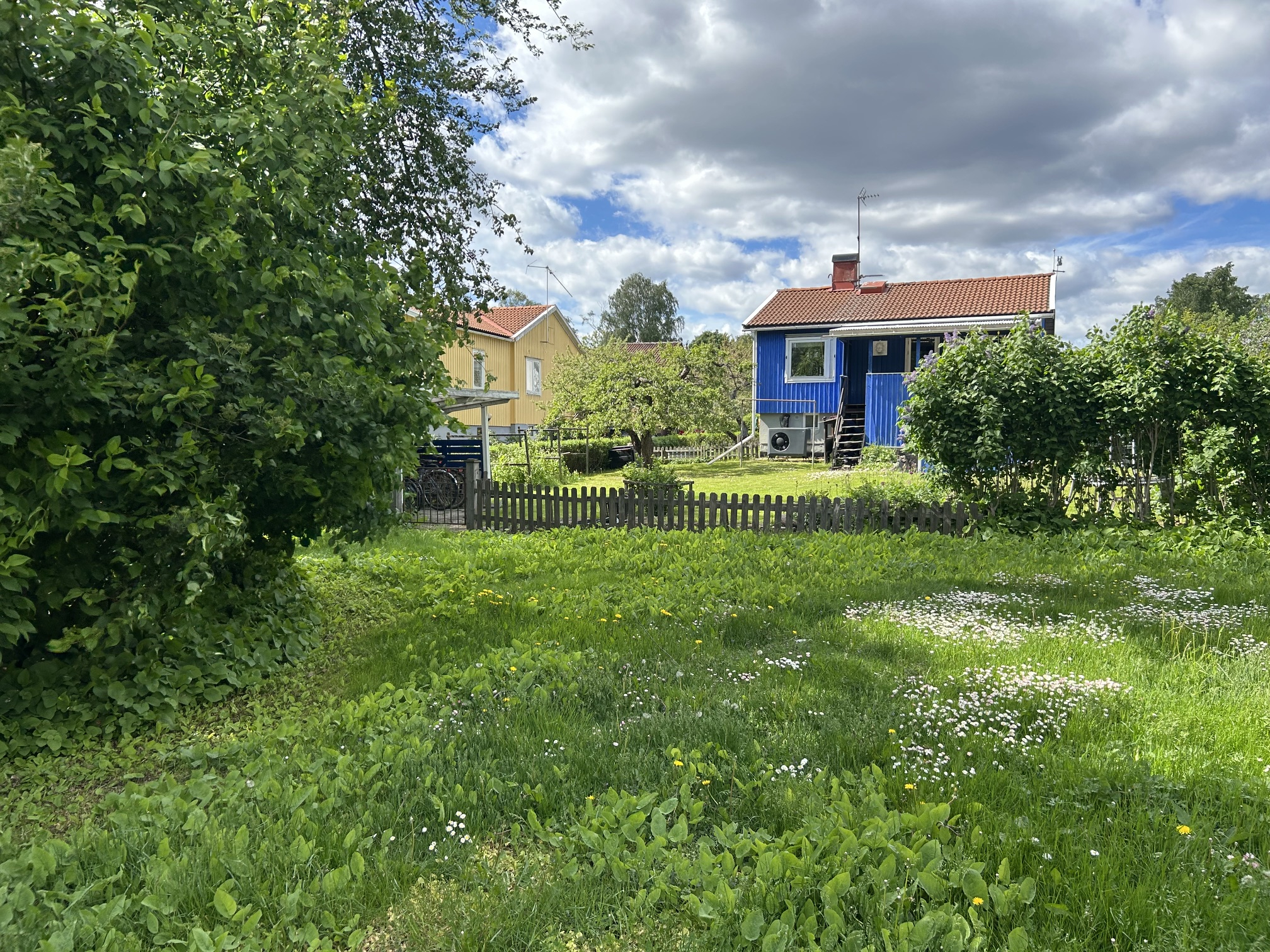
A right-wing party proposes the return of an old social democratic movement to promote the construction of small houses. The large cities in Sweden suffer from housing shortages and housing queues that hinder young and people with lower income from finding a home. Is the solution really building small houses? And what do young people think about their housing future?
A few years ago, me and my family moved into a house in the south of Stockholm. Wanting to learn more about my new home I decided to do some more research into the movement that built up my neighbourhood.
Egnahemsrörelsen was a movement in Sweden that started in the late 1800s and was large in the early 1900s. This movement made it possible for workers with lower income and families, that lived in crammed apartments to move out and live in small houses. The movement also included making it possible to get an own small farm in the country. These houses were a lot better than apartments with things like plumbing and a backyard. Egnahem is Swedish and means own-home. The movement built on workers building their own small houses on plots of land from companies or the state through a municipality. In The state also established a special loan fund so that workers had the funds needed for their own home’s. Houses in these neighbourhoods often look very similar, because every house follows the same blueprint.
As you hear this movement doesn’t sound like typical right-wing politics, so I was quite surprised when I found a proposition by a right-wing party, SD, to create a new Egnahemsrörelse. After further research I found that the government appointed an Egnahems commissioner. The commissioner’s tasks include figuring out why the percentage of new houses being built is so low compared to other types of homes and increasing the amount. The goal is to increase the amount from 14% to 40% by the year 2030. They motivate the increase by saying that 7/10 people in Sweden want to live in a house. This increase felt surprisingly large for me, especially after researching the current housing situation in Sweden.
Right now, in Sweden's three largest metropolitan regions there is an apparent housing shortage. The three regions include Storstockholm Storgöteborg and Stormalmö they include the three largest cities in Sweden, Stockholm, Gothenburg and Malmö, and the municipalities surrounding them. All these regions especially stockolm and Gothenburg have long housing queues that hinder people with lower income and students to get on the housing market.
I thought that interviewing a few young people that may want to move out soon about how they feel regarding housing.
The people I interviewed are 16-18 years old and go to my school. Everyone wants to be anonymous.
- Do you want to live in one of Sweden’s three largest metropolitan regions?
- Yes, I would like to live in Stockholm, Anonymous 16yrs replied
All the people I interviewed want to live in one of these three regions, most of them what to keep living in Stockholm.
-In what sort of housing would you want to live?
-As a student I would like to live in an apartment. When I get older I may want to move into a house, Anonymous 16yrs answered
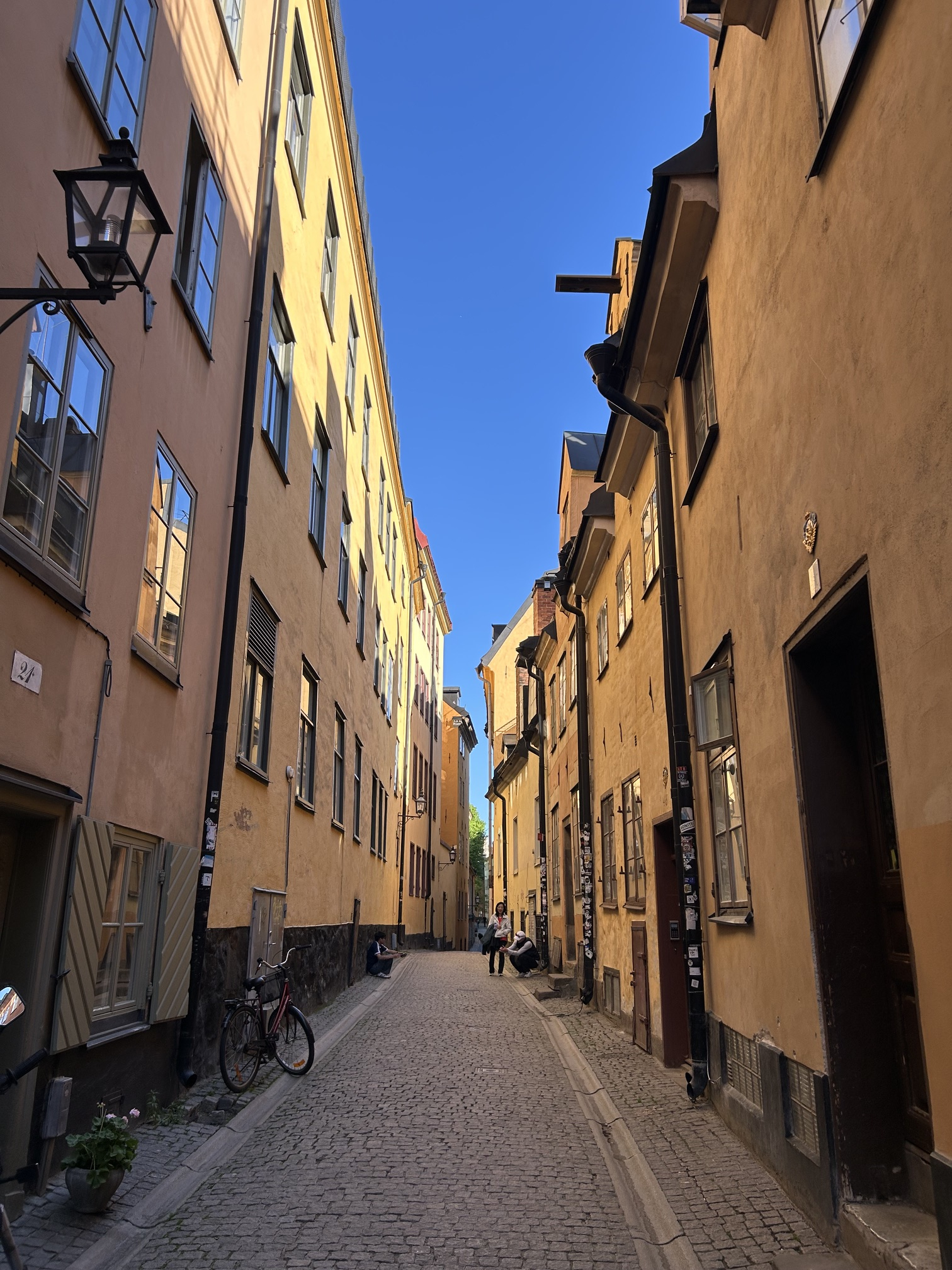 houses in Gamla stan, Stockholm. Image: Agnes Spak.
-I want to live in an apartment, houses stress me out, Anonymous 17yrs exclaimed
- How do you feel about moving out, do you want to keep living with your parents?
- No, I would much rather move out, but I’m really stressed by the situation. I’m not in any housing queues, so I’m afraid that I won’t be able to, Said Anonymous 17yrs
- I’m in a housing queue but I’m still afraid that I won’t be able to find a home, Anonymous 16yrs added
- I don’t think that I will be able to move out with my current circumstances, Anonymous 18yrs answered
I’m personally also worried about this. The thing is that not sure where in Sweden I want to study so I don’t know which housing queues I should enter, to stand in queue costs money too so I don’t what to enter one unless I’m certain.
After my interviews I feel even more worried about the increase of houses that are supposed to be built. If we build more small houses will there really be enough housing for students and people with lower incomes? According to Boverket the demand on small houses in the three largest metropolitan regions is largest when the houses have 4-5 rooms and a kitchen. If houses that are larger is in demand why would the government build smaller and more affordable houses? It feels unlikely that the people who have it hardest on the market will benefit from this change.
In summary I want further explanation on how building more houses will benefit us that has it hardest on the market. Me and others worry if we will be able to get a home as students, with long queues and the apparent housing shortage. Is the new Egnahems movement here to benefit less fortunes, like the old one, or is it just housing nostalgia?
References: (1) Stockholmskällan , (2) Boverket, (3) Boverket, (4) Regeringskansliet , (5) Småhus och egnahem, (6) Regeringskansliet
As contributors to Mobile Stories, we adhere to its editorial guidelines. This involves verifying our sources, ensuring we don't violate any copyrights, and following the Young Reporter's Code of Ethics. Find out more about Mobile Stories. Read more about the Young Reporter's Code of Ethics.

 07 Sep |
 10 Jun Pupil |
 01 Jun Pupil |
 01 Jun Pupil |
 01 Jun Pupil |
 01 Jun Pupil |
 01 Jun Pupil |
 01 Jun Pupil |
 01 Jun Pupil |
 31 May Pupil |
 31 May Pupil |
|
31 May Pupil |
 31 May Pupil |
 31 May Pupil |
 31 May Pupil |
 31 May Pupil |
 31 May Pupil |
 31 May Pupil |
 31 May Pupil |
 28 May Pupil |
 19 May Pupil |
|
19 May Pupil |
|
19 May Pupil |
 19 May Pupil |
 19 May Pupil |
 19 May Pupil |
 19 May Pupil |
 19 May Pupil |
 08 May Pupil |
 08 May Pupil |
 18 Apr Pupil |
|
07 Sep Pupil |
|
10 Jun Pupil |
|
01 Jun Pupil |
|
01 Jun Pupil |
|
01 Jun Pupil |
 01 Jun |
 01 Jun |
 01 Jun |
 31 May |
 22 May |
|
31 May Pupil |
|
31 May Pupil |
|
31 May Pupil |
|
31 May Pupil |
|
28 May Pupil |
|
19 May Pupil |
|
19 May Pupil |
|
19 May Pupil |
 |
 |