Why do different genders choose different sports?
By ANNA WHITLOCKS GYMNASIUM
Published 2026-06-01 13:18
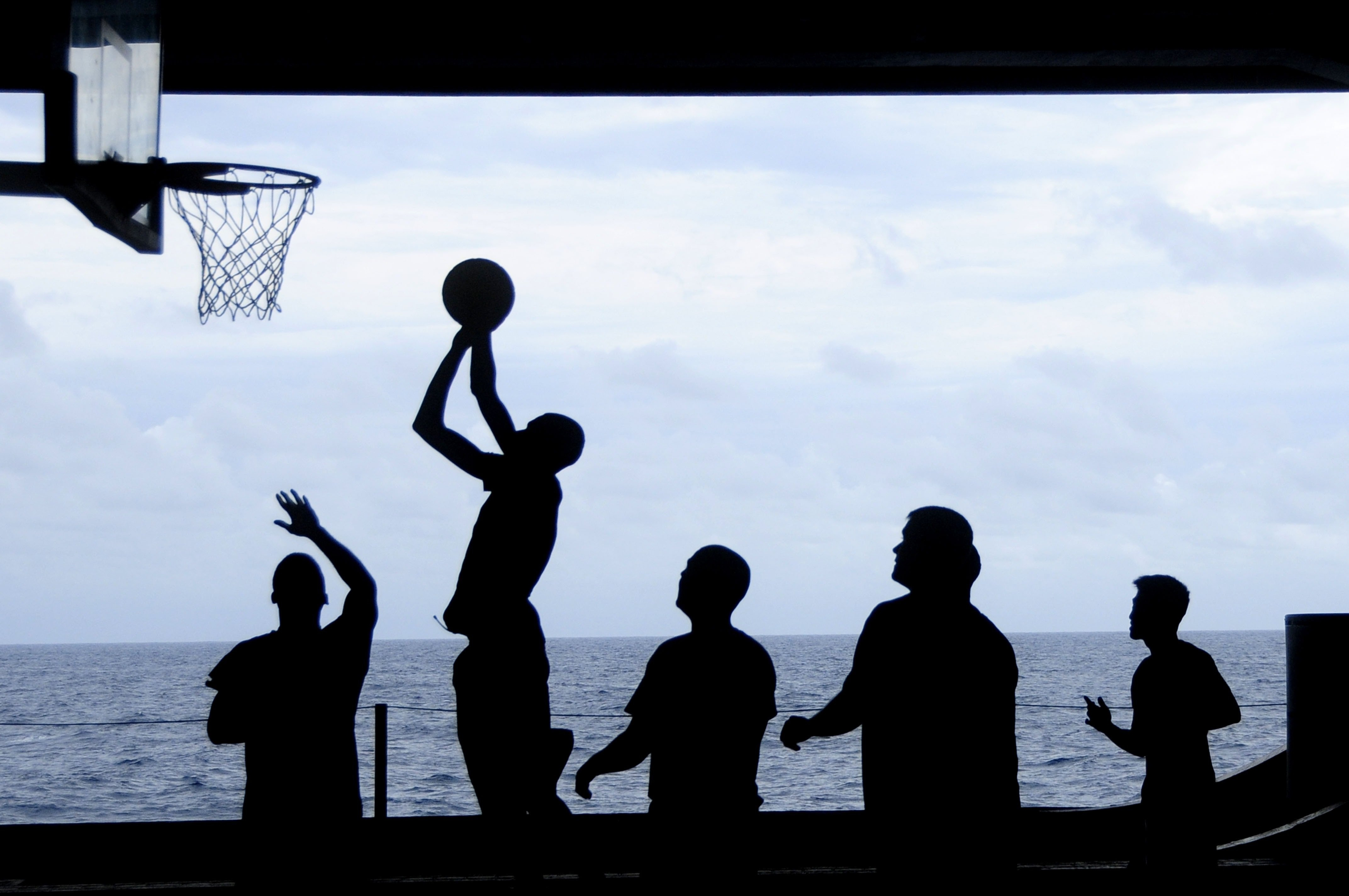
It has long been common for boys and girls to practice different sports, play in different ways, and behave differently. It wasn´t until I was around 10 years old that I realized how widespread the gender segregation was. I started race sailing and quickly noticed a clear imbalance between the number of girls and boys. Only about one fifth of sailors are women, and many stop competing at a young age, causing the gender gap to increase over time. The realisation left me with the question: Are we born into social expectations tied to a gender, or is it natural preference?
If all humans were raised in a completely gender neutral way, would boys and girls still choose different sports? Or are we influenced by social expectations from the moment we are born? These questions have become especially relevant to me since i started race sailing. This made me reflect on how strongly gender expectations influence young people's choices.
If all humans were raised in a completely gender neutral way, would boys and girls still choose different sports? Or are we influenced by social expectations from the moment we are born? These questions have become especially relevant to me since i started race sailing. This made me reflect on hoball, sailing and hockey were considered more masculine. The similarities in their answers show how deeply gender stereotypes are rooted in society. Even though Sweden is considered as a country where gender stereotypes play a smaller role than other countries, the teenagers still connect certain sports with different genders. This raises the question of whether these ideas are created by culture, or if boys and girls naturally develop different interests.
When I asked whether these differences come from natural preferences or nurture and culture, the answers were divided. The girl believed that boys and girls naturally prefer different sports, while the boy thought that culture and social expectations have the biggest influence on people's choices. Their different opinions show how complex the issue really is. There may not be one simple answer, since biology and society likely affect how people choose which sports to participate in, and how comfortable they feel participating in them.
One possible reason for gender segregation in sports is the way children are raised. From a young age, boys are often encouraged to be competitive, physical, and confident, while girls are told to be calmer and more careful. Parents, school, friends, and media can all influence which sports children feel comfortable trying. Because of this, some sports become viewed as "male" or "female" activities, even if everyone could enjoy them equally as much.
However, some people argue that biological differences also play a role. Boys and girls may naturally devolop different interests and preferences. Competetive and physical sports have traditionally attracted more boys, while other sports may attract more girls. Even in countries that focus strongly on equality, differences in sport participation still exist, which suggests that biology could have some influence.
The consequences of gender segregation in sports can be significant. When certain sports are dominated by one gender, it can discourage others from participating. Young athletes may feel out of place or lack role models in their sport. This can lead people to quit sports they actually enjoy simply because they don't feel accepted.
Even though gender segregation in sports still exists, change is possible. More mixed teams, stronger representation, and encouragement from coaches and parents could help young athletes feel freer to choose sports based on their interest instead of social expectations. A sport that clearly shows that change is possible is horseback riding. The sport was clearly dominated by men in the past, but the culture has changed. Today, most young riders are women, and the world cup is mixed with nearly as many women and men competing. Culture clearly affects our choices, but whether natural preferences also play a role remains difficult to answer completely.
References: (1) Scienceinsights
Writers
Research
As contributors to Mobile Stories, we adhere to its editorial guidelines. This involves verifying our sources, ensuring we don't violate any copyrights, and following the Young Reporter's Code of Ethics. Find out more about Mobile Stories. Read more about the Young Reporter's Code of Ethics.
 07 Sep |
 10 Jun Pupil |
 01 Jun Pupil |
 01 Jun Pupil |
 01 Jun Pupil |
 01 Jun Pupil |
 01 Jun Pupil |
 01 Jun Pupil |
 01 Jun Pupil |
 31 May Pupil |
 31 May Pupil |
|
31 May Pupil |
 31 May Pupil |
 31 May Pupil |
 31 May Pupil |
 31 May Pupil |
 31 May Pupil |
 31 May Pupil |
 31 May Pupil |
 28 May Pupil |
 19 May Pupil |
|
19 May Pupil |
|
19 May Pupil |
 19 May Pupil |
 19 May Pupil |
 19 May Pupil |
 19 May Pupil |
 19 May Pupil |
 08 May Pupil |
 08 May Pupil |
 18 Apr Pupil |
|
07 Sep Pupil |
|
10 Jun Pupil |
|
01 Jun Pupil |
|
01 Jun Pupil |
|
01 Jun Pupil |
 01 Jun |
 01 Jun |
 01 Jun |
 31 May |
 22 May |
|
31 May Pupil |
|
31 May Pupil |
|
31 May Pupil |
|
31 May Pupil |
|
28 May Pupil |
|
19 May Pupil |
|
19 May Pupil |
|
19 May Pupil |
 |
 |