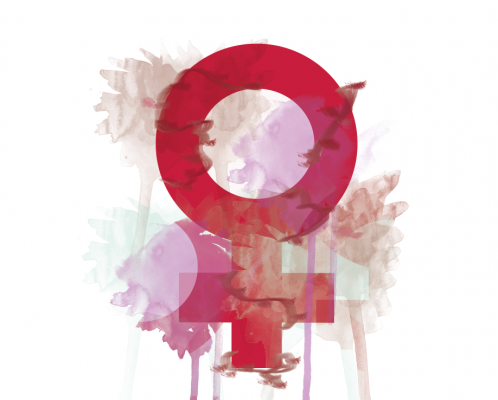
Misogyny has become standard practice and we do nothing but let it spread.
By ANNA WHITLOCKS GYMNASIUM
Published 2026-06-10 08:00
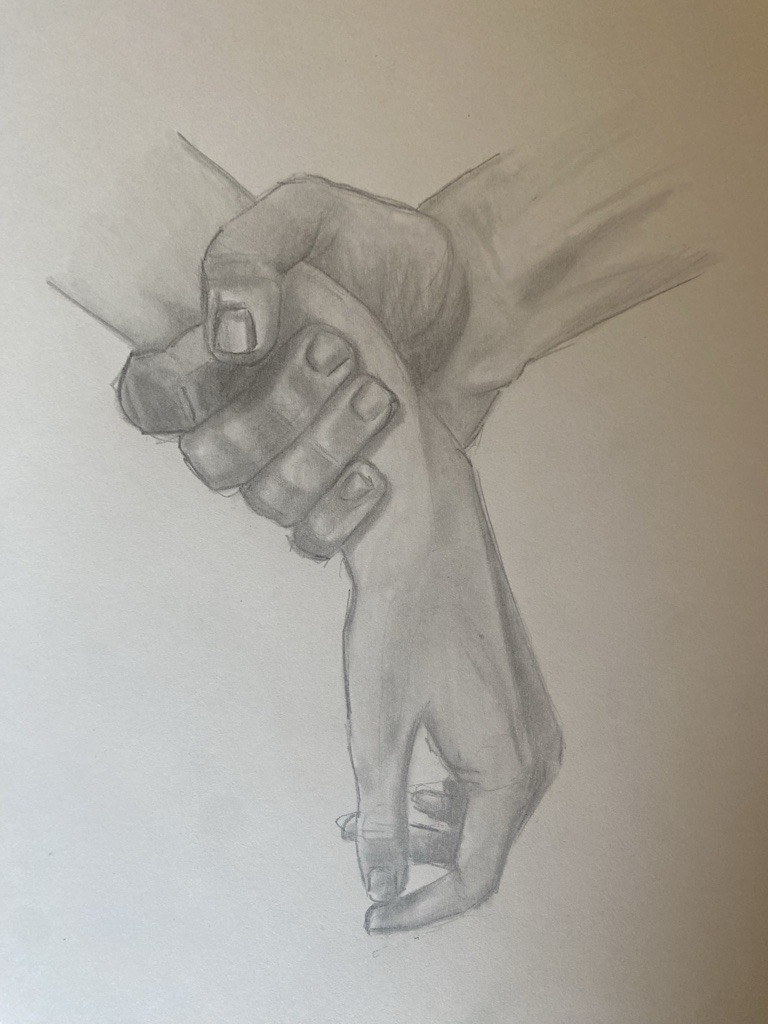
Sexism is built into society, misogyny has become a part of everyday life and most women don´t even realise its getting worse. How often are you exposed to misogyny? It may be more than you know.
Sexism has always been relevant. But many women don’t realise just how relevant it is. Reinforced by the patriarchy, internalised sexism fueled by misogyny is all the more common. It occurs when women adopt learned sexist behaviours and said behaviours become the norm. This “internalised powerlessness” is linked to a psychological phenomenon called “learned helplessness”: After repeated exposure to negative events, people experience passive submission even in cases when a solution is possible. This behaviour is linked to the invalidation and discredit women have faced within the patriarchal system for centuries.
In other words, small sexist behaviours and acts have over time been adopted by women and become the norm for how society treats them.
This internalised misogyny is deeply rooted into society, going all the way back to the beginning of modern time, and then some. Numerous religious texts carry with them sexist beliefs or ideologies. One example is the bible and the story of Adam and Eve in which the story blames Eve for eternal human suffering all because of her lack of willpower and mental strength. Along with this, Adam and Eve (man and woman) were not created together. Eve was carved from one of Adams ribs. In other words, the story in which Christianity, the most practiced religion, has its base, women are not equal to man but simply a part of him. This story, alongside the lack of female figures in the entire religion, has become an excuse for sexist acts and misogynistic beliefs withing Christian societies. Other religions, such as Islam, have more obvious ways of oppressing women. After interviewing a classmate, I got to learn how often the hijab is used to oppress young women in Turkey.
"My friend was forced to wear a hijab by her father. In Islam the hijab is supposed to free women from being thought of as sexual object of desire or from being valued from their looks. But no man is forced to wear one.” Pihla (17yrs).
Feminism has over the last few decades taken tremendous steps in the right direction. But misogyny lives on in the small things women are forced to experience every day. One example is how the modern woman is treated by her elders. Because of the prior extreme and more open sexist behaviours women were exposed to, seniors tend to exhibit sexist behaviours to their own daughters/granddaughters. They criticize and stigmatize modern women who strive for equality simply because that is what they were taught. This taught behaviour can stay in families and affect women for decades. “My aunts would tell me my skirts were too short and criticise my more modern sense style. They said that I should wear more appropriate clothes to work.” - Mia (79yrs).
The most common form of modern misogyny is found in the workplace. It is a well-known fact that women tend to earn less than men, but despite this knowledge there is very little being done about the problem. Sweden is known as one of the worlds most gender equal countries, but still Swedish women earn roughly only 90 percent of what men make. The gender pay gap in Sweden is influenced by several factors, one being occupational segregation, where men and women tend to work in different industries and roles. This is most likely the cause of social norms in which woman take on “pink collar jobs” such as nursing, teaching and administrative roles while men traditionally have “blue collar jobs” such as construction, manufacturing and maintenance. Although an additional issue is discrimination and unequal pay for equal work which is outright sexism in the workplace. After interviewing a friend I got to hear how sexism has affected a person close to her first hand. "When my mother was at a work dinner with people of equal education and status, she was complemented by her colleagues for being the only woman there. They even asked her how she was there. Indicating their surprise that a woman was where they were.” -Anonymous (17yrs).
Alongside these more obvious sexist acts, groups with misogynous ideologies have started to form online. The so called “manosphere”. The manosphere is a collection of many different online communities that promote misogyny, anti-feminism and unhealthy views on masculinity. But the key characteristics and core beliefs are the same: Misandry (the belief that feminism promotes hatred of men), Victimhood (a narrative that men are victims of social changes driven by women’s rights movements) and the Red Pill philosophy (A metaphor from The Matrix, representing the awakening to perceived truths about gender dynamics). The manosphere has a significant influence, practically among young men. It has been linked to real world violence against women such as abuse or rape and online violence where the community promotes harassment against women and feminists. The most prominent figures who are associated with the manosphere include Andrew Tate, Myron Gaines, Rollo Tomassi and Jordan Peterson.
Along with the misogynous ideologies spread by the manosphere, it comes with its own unique terminology. A terminology that has continued to spread all over the internet. These words include Foid/Femoid (a term indicating that women are not just less than men, but less than human), Hyperagency (the idea that women possess excessive social or sexual power in society and over men), Incel (a person who believes that men are entitled to sex and that women purposefully deprive them of it), AWALT (abbreviation: All women are like that, used to stereotype women), Hamster (a derogatory metaphor describing women as irrational), Bop (abbreviation: Been over passed, used to shame a woman as promiscuous). Because of how much and how lightly these words are passed around on social media many people don’t realise the misogyny they carry. The fact that words with such sexist roots are allowed to be tossed around so lightly is proof of how incorporated misogyny is in today’s society.
In summary our society has its base and founding ideas in misogyny. Women are affected by this every day weather its at work, at home or online, it never stops. It is so integrated into our lives that women dont even realise that its there. Male victimisation and the misunderstanding that feminism is a way to oppress men is constantly causing bumps in the road towards gender equality. Women cannot fight the patriarchy alone. The best way to reach the goal of global gender equality is education, demonstration and not falling victim to misogyny in daily life. Dont let men look down on you for being a woman, dont let society treat you like you are less and realise that its the little things in daily life that matter the most.
References: (1) Wikipedia - Misogyny, (2) Psychology today - Misogyny and its everyday expressions, (3) Research gate - EXPLORING MISOGYNY THROUGH TIME: FROM ITS HISTORICAL ORIGINS TO MODERN COMPLEXITIES, (4) LSE Blogs - The Misogyny paradox: the more it spreads, the less we can talk about it, (5) UN - Online 'manosphere' is moving misogyny to the mainstream, (6) UN WOMEN - What is the manosphere and why should we care?, (7) Journal of Integrated Social Sciences (original article) - INTERNALIZED MISOGYNY: THE PATRIARCHY INSIDE OUR HEADS, (8) Wikipedia - Patriarchy
Writers
Photo
As contributors to Mobile Stories, we adhere to its editorial guidelines. This involves verifying our sources, ensuring we don't violate any copyrights, and following the Young Reporter's Code of Ethics. Find out more about Mobile Stories. Read more about the Young Reporter's Code of Ethics.
 07 Sep |
 10 Jun Pupil |
 01 Jun Pupil |
 01 Jun Pupil |
 01 Jun Pupil |
 01 Jun Pupil |
 01 Jun Pupil |
 01 Jun Pupil |
 01 Jun Pupil |
 31 May Pupil |
 31 May Pupil |
|
31 May Pupil |
 31 May Pupil |
 31 May Pupil |
 31 May Pupil |
 31 May Pupil |
 31 May Pupil |
 31 May Pupil |
 31 May Pupil |
 28 May Pupil |
|
19 May Pupil |
|
19 May Pupil |
 19 May Pupil |
 19 May Pupil |
 19 May Pupil |
 19 May Pupil |
 19 May Pupil |
 19 May Pupil |
 08 May Pupil |
 08 May Pupil |
 18 Apr Pupil |
|
07 Sep Pupil |
|
10 Jun Pupil |
|
01 Jun Pupil |
|
01 Jun Pupil |
|
01 Jun Pupil |
 01 Jun |
 01 Jun |
 01 Jun |
 31 May |
 22 May |
|
31 May Pupil |
|
31 May Pupil |
|
31 May Pupil |
|
31 May Pupil |
|
28 May Pupil |
|
19 May Pupil |
|
19 May Pupil |
|
19 May Pupil |
 |
 |