Bridging the Gap: How Technology is Revolutionizing Education
By COLEGIUL NAțIONAL PEDAGOGIC, MIRCEA SCARLAT
Published 2025-09-30 14:52
In recent years, the integration of technology into schools has sparked both excitement and debate. As classrooms transform with the introduction of digital tools, we stand at the precipice of a revolution in education. The impact of technology in schools is profound, offering opportunities for enhanced learning, personalized education, and bridging educational disparities. Yet, it also brings challenges that require careful navigation.
A New Era of Learning
The advent of technology in education marks a significant shift from traditional teaching methods. Smartboards replace chalkboards, tablets take the place of textbooks, and online resources supplement classroom instruction. These changes are not merely cosmetic; they represent a fundamental shift in how students engage with learning materials.
One of the most compelling advantages of technology in schools is its ability to cater to diverse learning styles. Interactive software, educational apps, and virtual simulations offer students various ways to understand complex concepts. Visual learners can benefit from video content, kinesthetic learners can engage with interactive simulations, and auditory learners can listen to podcasts or audio lessons. This adaptability helps ensure that no student is left behind, fostering a more inclusive learning environment.
Personalized Education
Personalized learning is another significant benefit brought about by technology. With adaptive learning platforms, teachers can customize lessons to meet the individual needs of each student. These platforms analyze students' progress and adjust the difficulty level of tasks accordingly, providing extra support where needed and advancing when a student is ready. This level of personalization was previously unattainable in a traditional classroom setting, where one-size-fits-all teaching methods often prevailed.
Moreover, technology facilitates differentiated instruction, allowing teachers to address the varied proficiency levels within a single classroom. Students can work at their own pace, accessing resources that match their specific learning needs. This approach not only enhances academic performance but also boosts students' confidence and motivation.
Bridging the Educational Divide
One of the most transformative aspects of technology in schools is its potential to bridge educational disparities. In underserved communities, where access to quality education and resources has historically been limited, technology can level the playing field. Online courses, digital libraries, and virtual tutoring provide students with access to information and support that might otherwise be out of reach.
Programs that distribute devices and offer internet access to students in need have shown promising results in closing the digital divide. By ensuring that all students have the tools they need to succeed, these initiatives promote equity and inclusivity in education. Additionally, technology enables remote learning, which proved invaluable during the COVID-19 pandemic. Schools that were able to swiftly transition to online learning mitigated the educational disruption caused by lockdowns, demonstrating the resilience and adaptability afforded by digital tools.
Challenges and Considerations
Despite the numerous benefits, the integration of technology in schools is not without its challenges. One significant concern is the issue of screen time. Prolonged use of digital devices can have adverse effects on students' health, including eye strain, poor posture, and disrupted sleep patterns. Educators and parents must find a balance that leverages the advantages of technology without compromising students' well-being.
Another challenge is ensuring that teachers are adequately trained to use new technologies effectively. Professional development programs are essential to equip educators with the skills needed to integrate digital tools into their teaching practices seamlessly. Without proper training, the potential benefits of technology in education may not be fully realized.
Privacy and security are also paramount. Schools must implement robust measures to protect students' personal information and ensure a safe online environment. Cybersecurity threats and data breaches pose significant risks, making it crucial for educational institutions to stay vigilant and proactive.
Writers
Audio
Photo
Research
Video
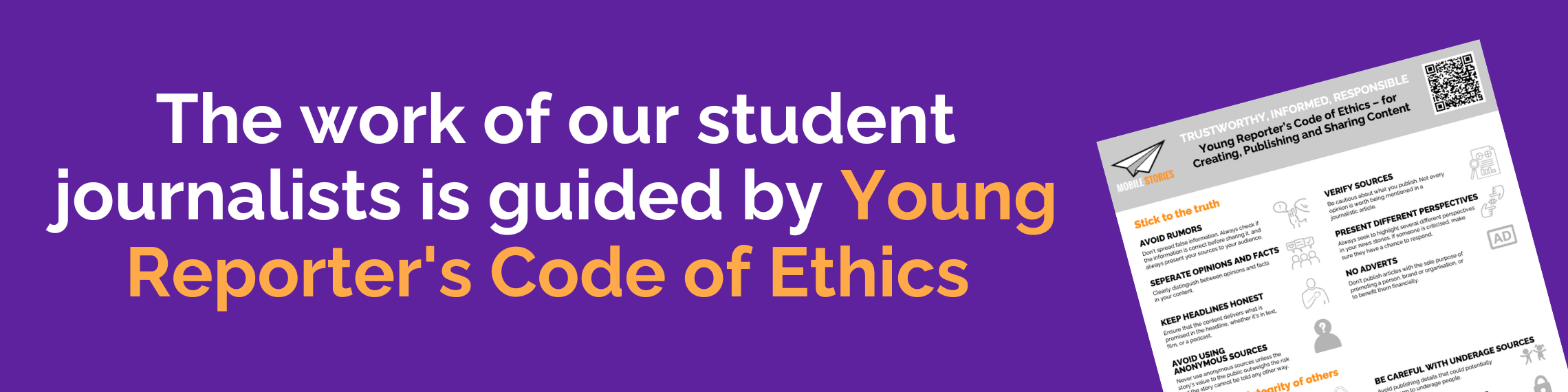
As contributors to Mobile Stories, we adhere to its editorial guidelines. This involves verifying our sources, ensuring we don't violate any copyrights, and following the Young Reporter's Code of Ethics. Find out more about Mobile Stories. Read more about the Young Reporter's Code of Ethics.
 07 Sep |
 10 Jun Pupil |
 01 Jun Pupil |
 01 Jun Pupil |
 01 Jun Pupil |
 01 Jun Pupil |
 01 Jun Pupil |
 01 Jun Pupil |
 01 Jun Pupil |
 31 May Pupil |
 31 May Pupil |
|
31 May Pupil |
 31 May Pupil |
 31 May Pupil |
 31 May Pupil |
 31 May Pupil |
 31 May Pupil |
 31 May Pupil |
 31 May Pupil |
 28 May Pupil |
|
19 May Pupil |
|
19 May Pupil |
 19 May Pupil |
 19 May Pupil |
 19 May Pupil |
 19 May Pupil |
 19 May Pupil |
 19 May Pupil |
 08 May Pupil |
 08 May Pupil |
 18 Apr Pupil |
|
07 Sep Pupil |
|
10 Jun Pupil |
|
01 Jun Pupil |
|
01 Jun Pupil |
|
01 Jun Pupil |
 01 Jun |
 01 Jun |
 01 Jun |
 31 May |
 22 May |
|
31 May Pupil |
|
31 May Pupil |
|
31 May Pupil |
|
31 May Pupil |
|
28 May Pupil |
|
19 May Pupil |
|
19 May Pupil |
|
19 May Pupil |
 |
 |