Hidden Meaning in Fairy Tales
By LICEUL DE ARTE „REGINA MARIA”
Published 2026-04-01 18:01
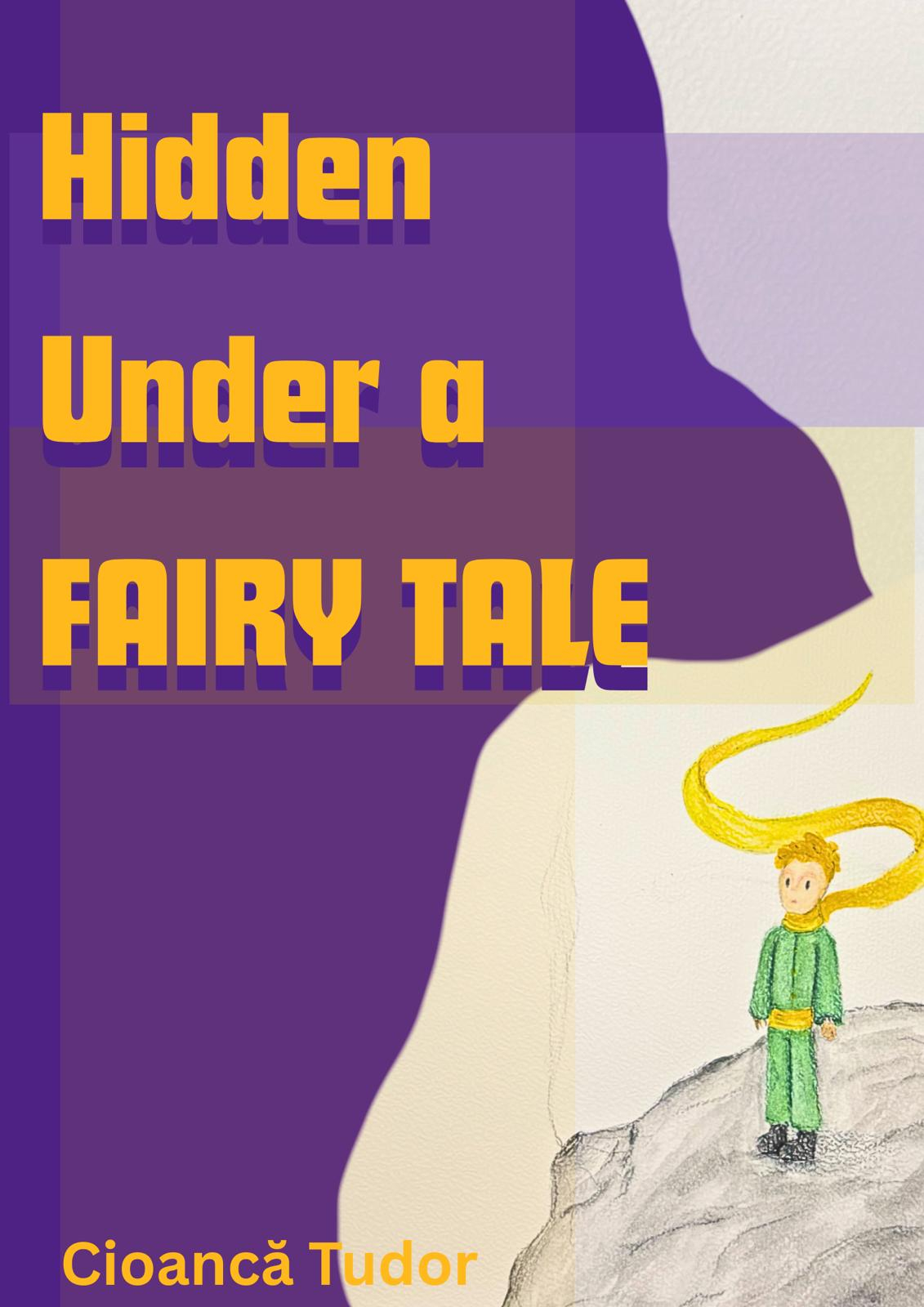
Fairy tales are often seen as harmless stories written for children, filled with magic, adventure, and happy endings. However, beneath their imaginative worlds lie themes that reflect real human experiences. Stories that seem simple on the surface often explore rejection, fear, loneliness, etc. These elements are not accidental; they mirror struggles that exist in real life. Although fairy tales use fantasy to tell their stories, the emotions they portray are deeply realistic. What lies beneath a fairy tale is not just magic, but the truth about human nature and society.
Many classic fairy tales contain darker themes that are easy to overlook when focusing only on their magical elements. For example, The Ugly Duckling appears, at first, to be a simple story about a bird who grows into something beautiful.
However, most of the narrative centers on rejection, humiliation, and isolation. The young duckling is mocked, excluded, and treated as inferior because he looks different. This reflects a powerful reality within society: people are often judged based on appearance, differences, or characteristics they cannot control. Bullying, exclusion, and discrimination are not fictional inventions; they are social issues that many individuals face daily. The emotional pain experienced by the duckling mirrors the struggles of those who feel improper in school or communities.
The transformation at the end of the story is meaningful, but it does not erase the suffering that comes before. In fact, the transformation only feels powerful because of the hardship. This structure reflects real life, where growth often emerges from difficulty. Many people discover their identity only after experiencing rejection or self-doubt. The tale suggests that being different is not a weakness, but a stage in personal development. Its message continues to resonate because it speaks to a universal human desire, the need to belong and to be accepted for who we truly are.
 The Girl with the Matches. Image: Cioanca Tudor.
Similarly, The Girl with the Matches presents an even more direct reflection of social reality. Unlike many fairy tales, this story does not provide a comforting or triumphant ending. Instead, it confronts readers with the harsh realities of poverty and neglect. The young girl, alone and freezing, is ignored by the people around her. Her visions of warmth and happiness contrast painfully with her physical suffering. This story highlights a difficult truth: society often overlooks the suffering of its most vulnerable members. The emotional impact of this tale lies in its realism. Poverty, homelessness, and inequality are not imaginary problems. By presenting these issues through the perspective of a child, the story evokes empathy and moral reflection. Readers are encouraged to question why no one helps her. The narrative exposes indifference as a social failure. It challenges the assumption that fairy tales must always protect readers from discomfort. Instead, it demonstrates that storytelling can raise awareness and provoke thoughts of injustice.
While some stories focus directly on suffering, others explore emotional and philosophical struggles. The Little Prince may seem like a gentle tale about a boy traveling between planets, but beneath its simplicity lies a profound critique of adulthood. Each planet the prince visits represents a different flaw: obsession with power, greed, vanity, or blind obedience. The adults he meets are trapped in narrow perspectives, unable to see beyond their own priorities. Through these encounters, the story questions what society values. It suggests that imagination, emotional connection, and empathy are often lost in the pursuit of status or productivity. The prince’s relationship with the rose further reflects the complexity of love and responsibility. His loneliness, despite traveling across the universe, mirrors a common human experience: feeling misunderstood even when surrounded by others. The story reminds readers that what truly matters - friendship, love, meaning - is often invisible and cannot be measured by material success.
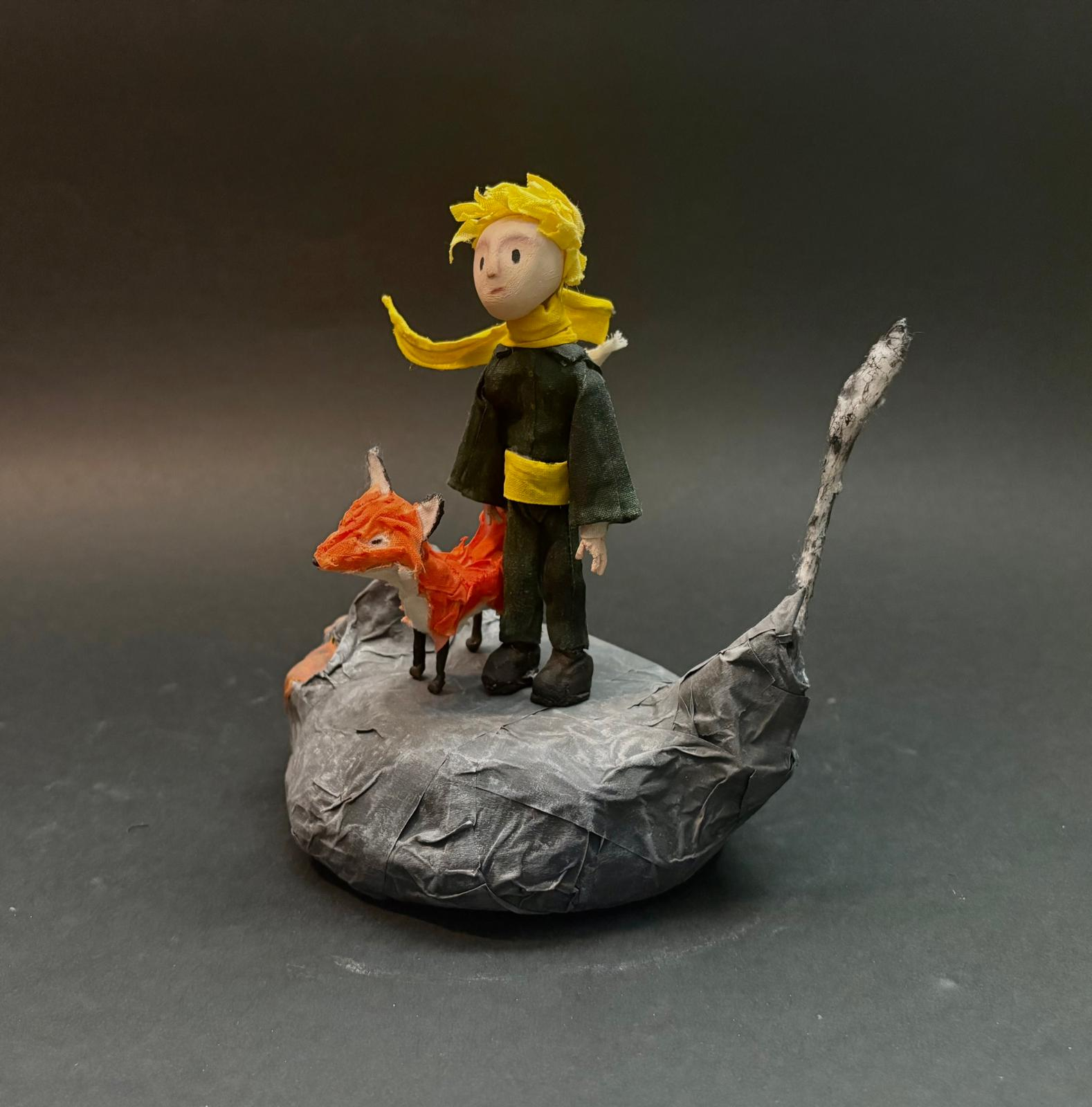 The Little Prince. Image: Cioanca Tudor.
A different exploration of identity appears in Alice's Adventures in Wonderland. On the surface, it seems absurd and full of wonder, a land filled with strange creatures and illogical events. However, beneath its fantasy lies a subtle reflection of our reality, where the choleric boss takes the form of an angry queen or the worker who is glued to its calendar and always on edge about deadlines is characterized by the white rabbit that is frantically checking its pocket watch. This story is not about a lost girl in a wonderland, but a little kid that cannot understand how the adult world works, a land full of rush, orders, addictions, and madness hidden under routine, where every step forward is a puzzle, and every glance is a trap, a maze of expectations, where a child's wonder is swallowed by grown-up urgency.
These examples demonstrate that fairy tales function as more than simple entertainment. They act as symbolic representations of social realities and emotional struggles. The use of fantasy does not distance the reader from reality but rather creates a safe space to explore complex topics. Symbolism allows difficult subjects, such as rejection, poverty, or fear, to be addressed in an emotionally accessible way. A magical transformation can represent personal growth. A dark forest can symbolize confusion or danger. A cold winter night can reflect loneliness and neglect.
Fairy tales also influence how individuals develop their moral understanding. From a young age, readers are exposed to stories that portray consequences for actions. Characters who act selfishly often face punishment, while those who endure suffering with patience or courage may find eventual reward. Although these moral structures are sometimes simplified, they introduce foundational ideas about justice, fairness, and responsibility. As readers mature, they begin to see that morality is not always clear-cut. Some characters suffer despite innocence. This paradox reflects the imperfections of real life and encourages deeper critical thinking.
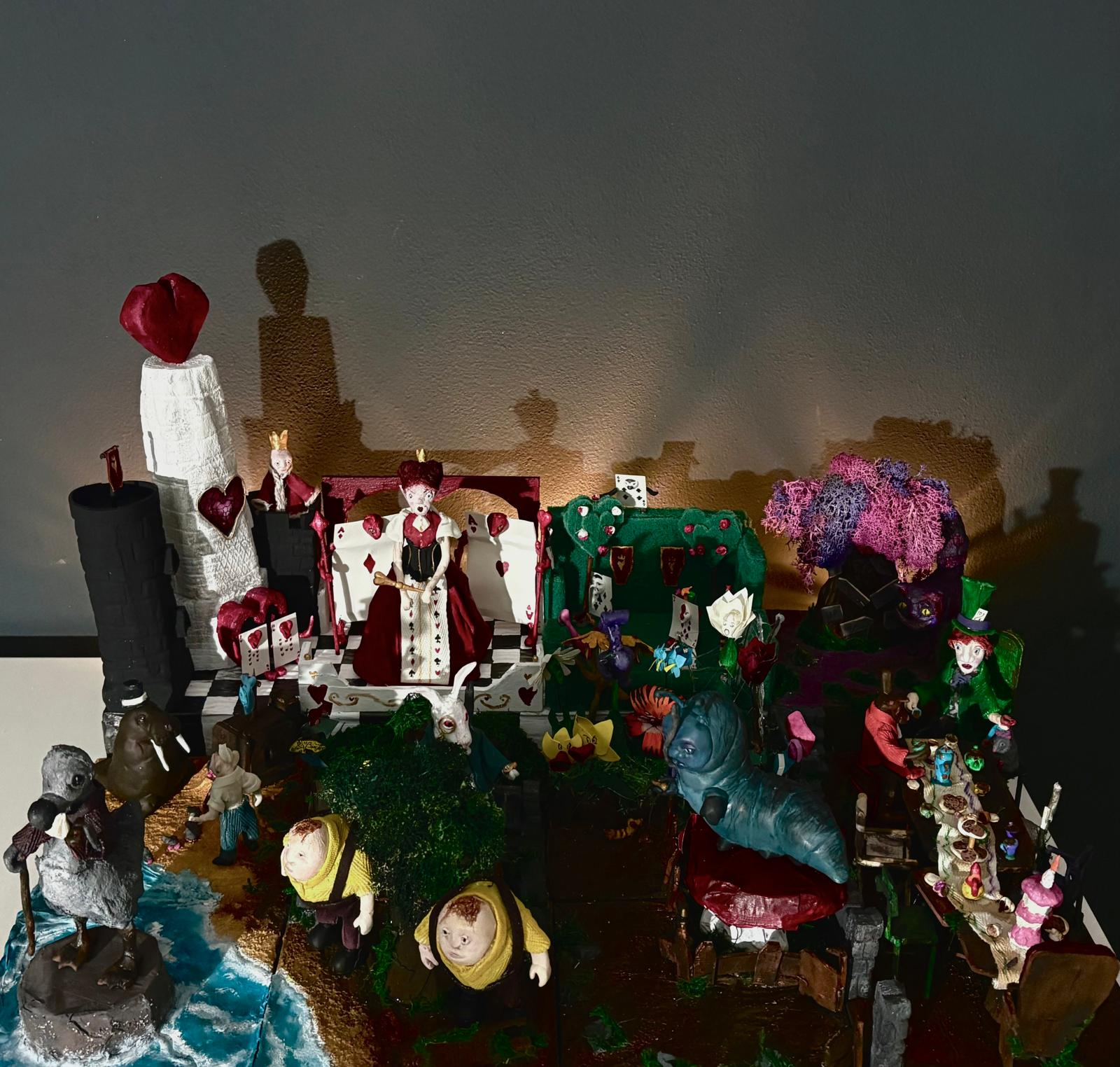 Alice's Adventures in Wonderland. Image: Cioanca Tudor.
In the end, what appears to be fantasy is often a mirror of reality. Fairy tales and imaginative stories are far more complex than they first appear. Beneath their magical setting and unusual characters lie reflections of real human struggles and the search for meaning. These stories continue to resonate because they explore emotions that remain relevant in every generation. Although their words are fictional, the experiences they portray are deeply authentic. What is hidden in a fairy tale is not simply darkness, but understanding.
These stories allow readers to confront fear in symbolic ways. They encourage empathy toward those who feel excluded, awareness of social injustice, and reflection on personal growth. Their lasting power proves that fairy tales are not childish fantasies, but cultural narratives that help us better understand ourselves and the society we live in. Even in their simplest forms, they contain truths that remain meaningful long after childhood.
References: (1) "The Ugly Duckling", (2) "The Girl with the Matches", (3) "The Little Prince", (4) " Alice's Adventures in Wonderland"
Writers
Photo
Research
As contributors to Mobile Stories, we adhere to its editorial guidelines. This involves verifying our sources, ensuring we don't violate any copyrights, and following the Young Reporter's Code of Ethics. Find out more about Mobile Stories. Read more about the Young Reporter's Code of Ethics.
 07 Sep |
 10 Jun Pupil |
 01 Jun Pupil |
 01 Jun Pupil |
 01 Jun Pupil |
 01 Jun Pupil |
 01 Jun Pupil |
 01 Jun Pupil |
 01 Jun Pupil |
 31 May Pupil |
 31 May Pupil |
|
31 May Pupil |
 31 May Pupil |
 31 May Pupil |
 31 May Pupil |
 31 May Pupil |
 31 May Pupil |
 31 May Pupil |
 31 May Pupil |
 28 May Pupil |
|
19 May Pupil |
|
19 May Pupil |
 19 May Pupil |
 19 May Pupil |
 19 May Pupil |
 19 May Pupil |
 19 May Pupil |
 19 May Pupil |
 08 May Pupil |
 08 May Pupil |
 18 Apr Pupil |
|
07 Sep Pupil |
|
10 Jun Pupil |
|
01 Jun Pupil |
|
01 Jun Pupil |
|
01 Jun Pupil |
 01 Jun |
 01 Jun |
 01 Jun |
 31 May |
 22 May |
|
31 May Pupil |
|
31 May Pupil |
|
31 May Pupil |
|
31 May Pupil |
|
28 May Pupil |
|
19 May Pupil |
|
19 May Pupil |
|
19 May Pupil |
 |
 |