FEATURE STORY, Future
Healthy Eating: The Key to a Balanced and Energetic Life
By COLEGIUL NAțIONAL PEDAGOGIC, MIRCEA SCARLAT
Published 2025-09-30 10:15
-
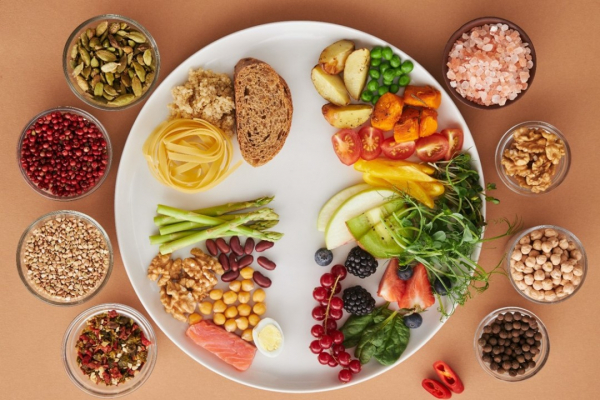 Photo by Vanessa Loring.
Healthy eating is a major topic of interest in contemporary society, particularly in the context of rising obesity rates and chronic diseases related to diet. Adopting a balanced and nutritious diet not only helps maintain a healthy weight but also plays a crucial role in disease prevention, mood improvement, and daily energy boost.
What Does Healthy Eating Mean?
Healthy eating refers to the consumption of nutrient-rich foods essential for the optimal functioning of the body. These foods include fruits, vegetables, whole grains, lean proteins, and healthy fats. The fundamental elements of a healthy diet are:
1. Fruits and Vegetables: These are excellent sources of vitamins, minerals, and fiber. A diet rich in fruits and vegetables can reduce the risk of heart disease, heart attacks, and certain types of cancer.
2. Whole Grains: Whole grain products, such as oats, quinoa, and brown rice, provide fiber, iron, and magnesium, aiding in maintaining a healthy digestion and stable energy levels.
3. Lean Proteins: Chicken, fish, beans, lentils, and nuts are excellent sources of proteins essential for tissue growth and repair. Proteins also contribute to a feeling of fullness.
4. Healthy Fats: Olive oil, avocado, seeds, and fatty fish (like salmon) contain unsaturated fats that support heart health and brain function.
-Benefits of Healthy Eating
1. Prevention of Chronic Diseases: A healthy diet can prevent a range of chronic conditions, including cardiovascular diseases, type 2 diabetes, and certain types of cancer.
2. Improved Mood: Studies show that diet can influence mental health. Consuming nutrient-rich foods can reduce the risk of depression and anxiety.
3. Energy and Vitality: Healthy foods provide quality energy necessary to tackle daily activities and support an active lifestyle.
4. Weight Control: A balanced diet, combined with physical exercise, is essential for maintaining a healthy body weight.
-Tips for Adopting a Healthy Diet
1. Meal Planning: Planning meals and preparing food at home can help control ingredients and portions, avoiding processed foods.
2. Reading Labels: Checking nutritional labels to understand the content of sugar, salt, and fats can be useful for making informed choices.
3. Hydration: Adequate water intake is crucial for overall health. Water helps with digestion, toxin elimination, and maintaining optimal energy levels.
4. Moderation and Variety: Adopting a varied and balanced diet, without completely eliminating certain foods, is key to maintaining interest and avoiding nutritional deficiencies.
-Conclusion
Healthy eating does not mean severe restrictions or giving up favorite foods but finding a balance and incorporating mindful food choices into daily routines. By adopting a healthy eating lifestyle, we can significantly improve the quality of life, increasing the chances of living a long and healthy life.
 Photo by Diana Chistruga. Image: Diana Chistruga.
References: (1) 8 tips for healthy eating, (2) Healthy eating basics
Images in article: (1)
Writers
Photo
Research
Video
As contributors to Mobile Stories, we adhere to its editorial guidelines. This involves verifying our sources, ensuring we don't violate any copyrights, and following the Young Reporter's Code of Ethics. Find out more about Mobile Stories. Read more about the Young Reporter's Code of Ethics.
 07 Sep |
 10 Jun Pupil |
 01 Jun Pupil |
 01 Jun Pupil |
 01 Jun Pupil |
 01 Jun Pupil |
 01 Jun Pupil |
 01 Jun Pupil |
 01 Jun Pupil |
 31 May Pupil |
 31 May Pupil |
|
31 May Pupil |
 31 May Pupil |
 31 May Pupil |
 31 May Pupil |
 31 May Pupil |
 31 May Pupil |
 31 May Pupil |
 31 May Pupil |
 28 May Pupil |
|
19 May Pupil |
|
19 May Pupil |
 19 May Pupil |
 19 May Pupil |
 19 May Pupil |
 19 May Pupil |
 19 May Pupil |
 19 May Pupil |
 08 May Pupil |
 08 May Pupil |
 18 Apr Pupil |
|
07 Sep Pupil |
|
10 Jun Pupil |
|
01 Jun Pupil |
|
01 Jun Pupil |
|
01 Jun Pupil |
 01 Jun |
 01 Jun |
 01 Jun |
 31 May |
 22 May |
|
31 May Pupil |
|
31 May Pupil |
|
31 May Pupil |
|
31 May Pupil |
|
28 May Pupil |
|
19 May Pupil |
|
19 May Pupil |
|
19 May Pupil |
 |
 |